
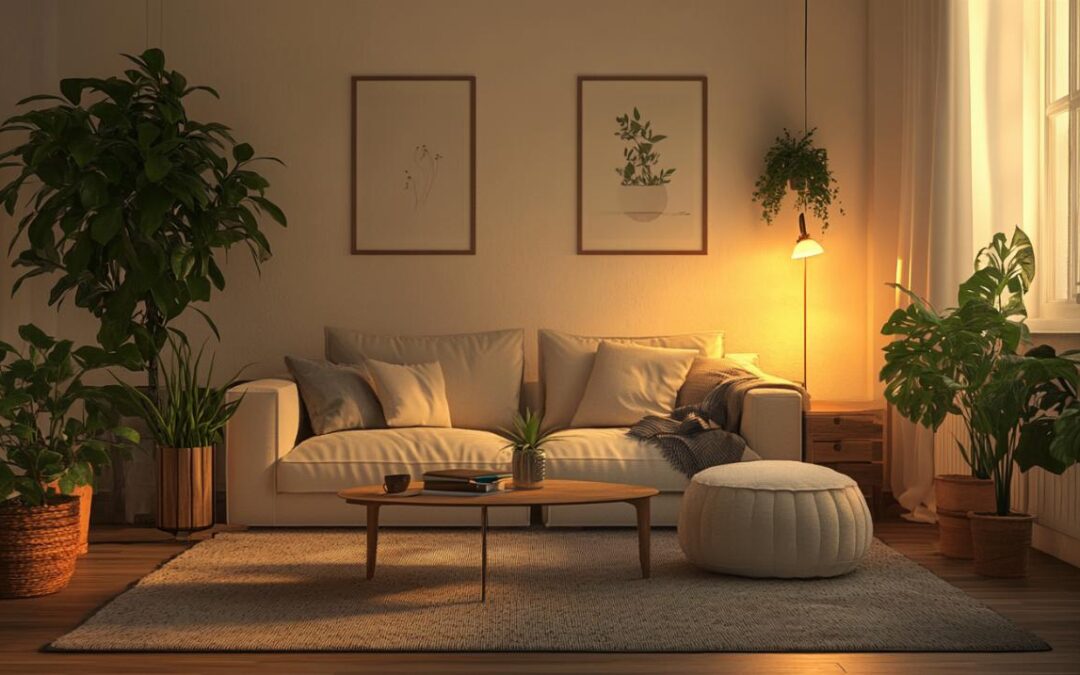
Revamping your living space doesn’t have to be a daunting affair or an expensive undertaking. With a few clever strategies and a dash of creativity, you can transform any room into a stylish haven that reflects your personality and meets your practical needs. Whether you’re working with a compact flat or a sprawling home, thoughtful choices in colour, lighting, and furniture arrangement can make all the difference. The beauty of refreshing your interiors lies in discovering what truly resonates with you, rather than simply chasing fleeting trends.
Mastering Colour Schemes and Lighting for Maximum Impact
Choosing the Right Palette to Reflect Your Personality
Selecting the right colour scheme is one of the most powerful ways to set the tone for your home. Deep blues, rich greens, and earthy hues are increasingly popular for their ability to create a sense of calm and sophistication. Blue, in particular, is a versatile base colour that pairs beautifully with neutrals and natural tones, making it an excellent choice for those who want a timeless backdrop. When you’re thinking about interior design tips, remember that the palette you choose should speak to your own tastes rather than just following what’s in vogue. Consider how different shades make you feel and how they interact with the natural light in each room. Painting woodwork, such as doors, window frames, and skirting boards, can also have a transformative effect. A fresh coat of paint in a contrasting or complementary shade can add character and cohesion to your space without breaking the bank.
Layering Light Sources to Create Depth and Ambience
Lighting design is often overlooked, yet it plays a crucial role in shaping the atmosphere of your home. Rather than relying solely on overhead fixtures, layering different light sources can add warmth and visual interest. Wall lamps, for instance, offer soft, ambient lighting without cluttering surfaces, making them ideal for living rooms and bedrooms. Prioritising lighting early in your design plans allows you to think strategically about where you need task lighting, accent lighting, and general illumination. If you’re working with a space that lacks natural light, consider installing internal windows or Crittall doors to improve light flow between rooms. These features not only brighten up darker corners but also create a sense of openness and connectivity. In homes with pitched ceilings, adding wallpaper can enhance the architectural impact while drawing the eye upward, making the room feel even more spacious and inviting.
Clever furniture arrangement and storage solutions
Optimising Room Layout for Flow and Functionality
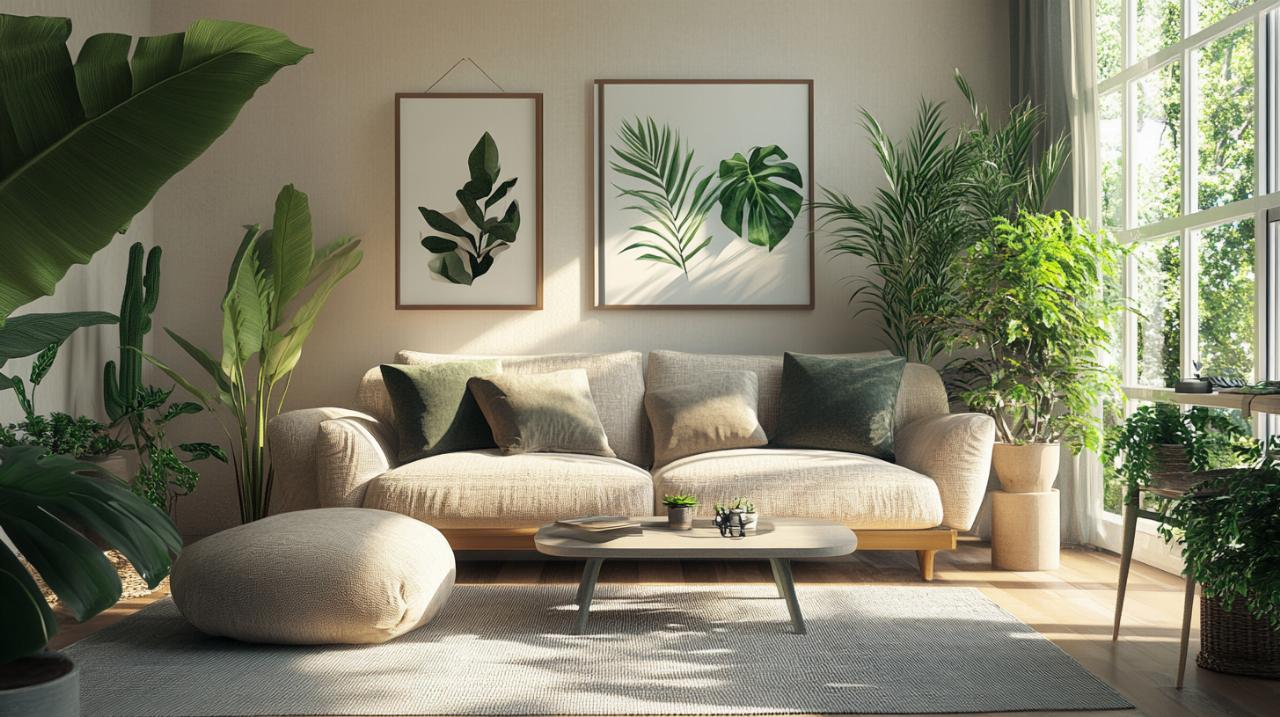
The way you arrange your furniture can dramatically affect how a room feels and functions. Start by thinking about the natural flow of movement through the space and how you want each area to be used. Choosing the biggest sofa possible, such as an L or U-shape, can maximise comfort in your living room while providing ample seating for family and guests. If you’re working with a smaller kitchen, consider adding a peninsula instead of a full island. This clever solution offers many of the benefits of an island without overwhelming the space. When planning your layout, also pay attention to the transitions between rooms. Thinking about the views and sightlines from one area to another helps create a cohesive design throughout your home. Creating at least two or three interesting vignettes in each room, places where your eye naturally rests, can add depth and character. These focal points might include a striking piece of statement art, a beautifully styled corner with picture shelves, or a fireplace adorned with personal treasures.
Maximising space with multi-purpose furnishings
In today’s homes, particularly in urban settings like London, making the most of every square metre is essential. Multi-purpose furniture and smart storage solutions are key to achieving a clutter-free environment. A dedicated dressing room, for example, can provide much-needed storage while serving as a personal sanctuary. If a separate room isn’t feasible, consider using freestanding wardrobes or vintage pieces that add character while serving a practical function. Unfitted kitchens, which use individual, vintage items rather than built-in cabinetry, offer a more personal and budget-friendly approach. Exploring second-hand sites can uncover real bargains, from sinks to baths, allowing you to furnish your home sustainably and affordably. When it comes to decor, don’t overlook the power of plants. Large, statement plants can have a significant impact, bringing life and freshness into any room. Mixing different textures, from soft fabrics to natural wood and metal accents, adds warmth and interest. For renters who may be hesitant to commit to permanent changes, vinyl stickers and removable wallpaper offer flexible, creative solutions. Finally, remember that incorporating personal stories and sentimental features into your design creates a home that feels uniquely yours, one that you’re unlikely to tire of over time.