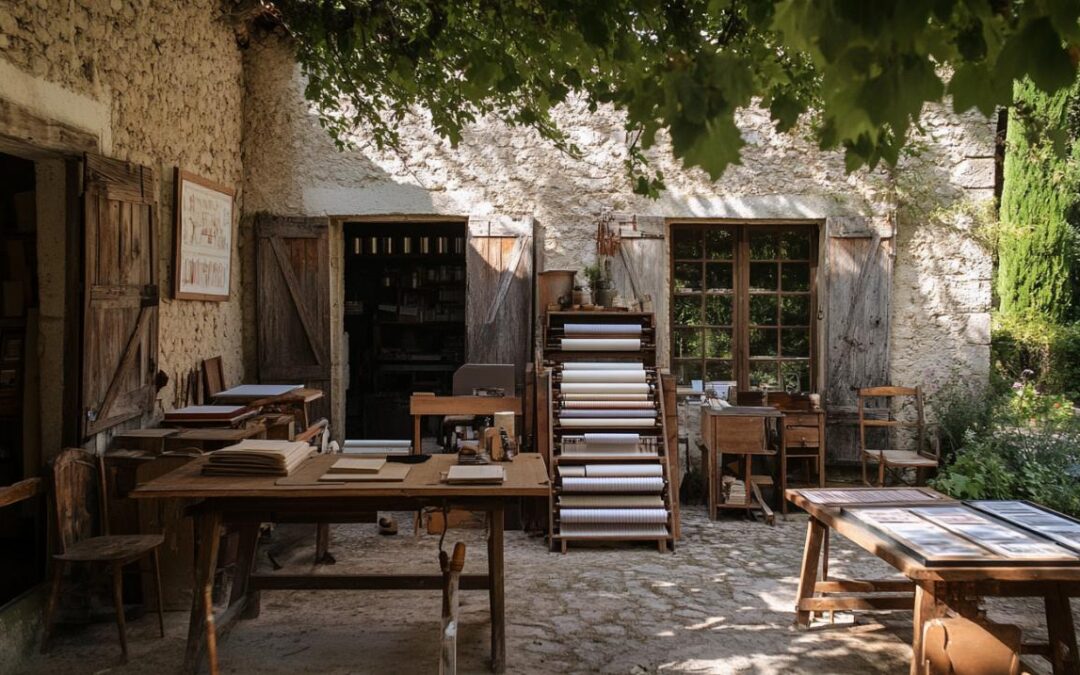
The picturesque countryside of rural France has long been a haven for artisans and craftspeople, individuals who dedicate their lives to creating unique handmade products that reflect both tradition and innovation. From textile artists working in converted farmhouses to makers of intricate linocut prints, these creators require reliable and high-quality printing services to bring their visions to life. Whether for packaging, promotional materials, or the printed products themselves, the range of available options continues to expand, blending time-honoured techniques with modern digital solutions to support the thriving artisanal economy across the French regions.
Traditional printing techniques embracing french artisan heritage
In the heart of rural France, traditional printing methods remain deeply connected to the values of craftsmanship and authenticity that define the artisanal sector. Letterpress and screen printing are not merely technical processes but are celebrated as art forms in their own right, offering a tactile and visual richness that digital methods often struggle to replicate. Letterpress printing, with its roots stretching back centuries, involves pressing inked metal or wooden type onto paper to create deeply embossed text and images. This method is particularly cherished by artisans who produce invitations, stationery, and bespoke packaging, as it lends an unmistakable quality and character to each piece. Screen printing, similarly, allows for vibrant colours and bold designs on a variety of surfaces, from textiles to paper, making it ideal for limited edition prints and custom branding for handmade goods.
Letterpress and Screen Printing Methods for Handcrafted Products
Artisans in regions such as the Lot in South West France have embraced these traditional techniques as part of their creative practice. Studios like Studio Préniac, located in a converted eighteenth-century farmhouse, host tutor-led courses where participants explore textile and painting media, often incorporating printed elements into their work. The connection between artisanal creation and printing is evident in the way these methods celebrate imperfection and individuality, qualities that resonate with consumers seeking authentic, handmade products. Letterpress printing, for instance, can produce beautifully textured business cards or labels that elevate the presentation of artisanal goods, while screen printing offers flexibility for creating unique patterns on organic cotton tea towels or decorative homeware. These techniques require skill and patience, echoing the ethos of the craftspeople who use them, and they provide a tactile connection to the material that digital processes cannot match.
Sustainable printing solutions aligned with rural craftsmanship values
Sustainability has become a cornerstone of both artisanal creation and the printing industry, particularly in rural areas where respect for the environment is deeply ingrained in the local culture. Many printing houses serving the artisan market have adopted eco-friendly practices, such as using FSC certified papers and holding Imprim’Vert certifications, which guarantee adherence to strict environmental standards. Imprimerie du Marais, a family-run printing house established in Paris in 1971, exemplifies this commitment. Although based in the capital, its influence extends throughout France, and its focus on eco-designed papers and responsible innovation has set a benchmark for others in the industry. The company offers over two hundred paper references chosen for their environmental and aesthetic qualities, ensuring that artisans can select materials that align with their values without compromising on quality. This approach is particularly appealing to craftspeople in rural France who prioritise sustainability and wish to communicate these values through their products and branding. By choosing printing partners that share their commitment to the environment, artisans can ensure that every aspect of their business, from creation to presentation, reflects a responsible and thoughtful approach.
Digital printing services supporting small-scale artisan businesses
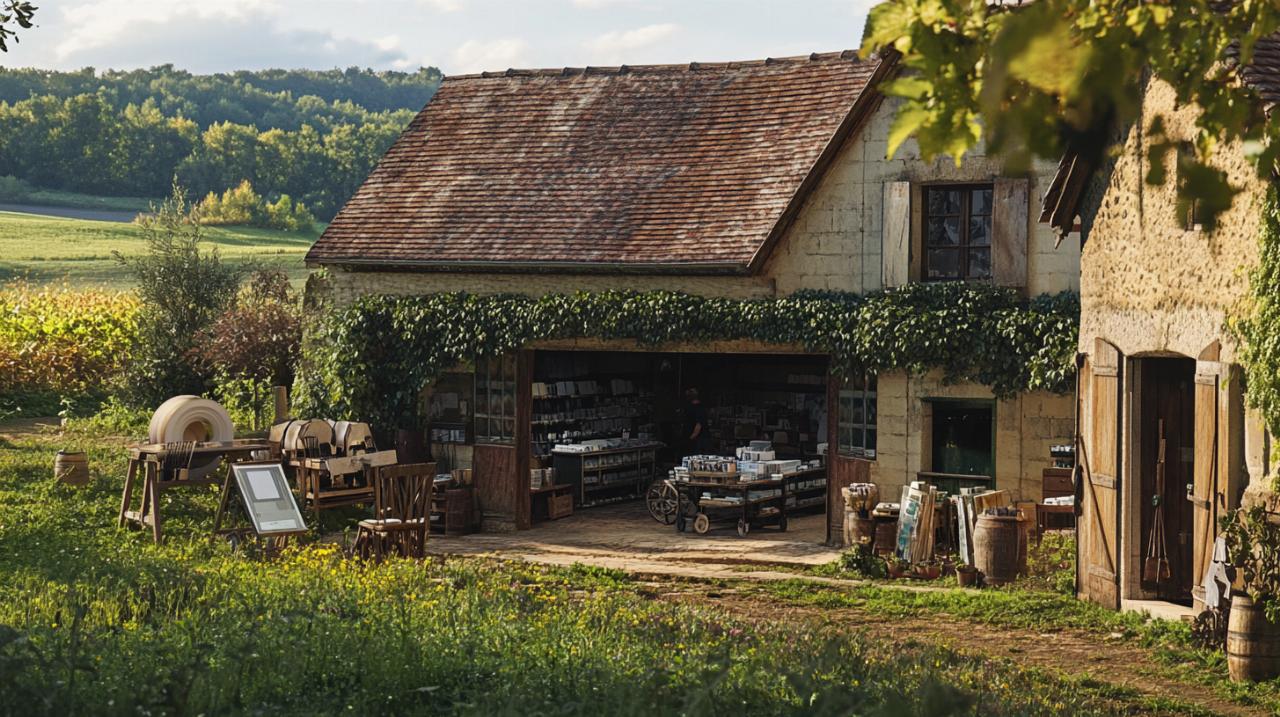
While traditional methods hold a special place in the hearts of many artisans, digital printing services have become indispensable for small-scale businesses seeking flexibility, speed, and cost-effectiveness. Digital printing allows for short runs and rapid turnaround times, making it ideal for artisans who produce limited edition items or need to respond quickly to customer demand. Unlike traditional printing, which often requires extensive setup and large minimum orders, digital technology enables artisans to print precisely what they need, when they need it, reducing waste and freeing up resources for other aspects of their business. This accessibility has been a game changer for craftspeople in rural areas, where proximity to major printing facilities was once a significant barrier. Today, many printing businesses offer online platforms that allow artisans to upload designs, select materials, and place orders from the comfort of their studios, with finished products delivered directly to their door.
On-demand printing facilities accessible to rural craftspeople
The rise of on-demand printing facilities has democratised access to professional-quality printing for artisans across rural France. Businesses such as CopySelf, which has operated since 1988 and maintains multiple locations, and MilkPrint, part of the copees.com network, have embraced eCommerce4Print software to streamline the ordering process. These platforms allow artisans to submit jobs online, which are then routed to the nearest print shop, ensuring quick turnaround times and reducing shipping costs. This model is particularly beneficial for artisans in remote areas who may not have easy access to urban centres. The ability to order small quantities of business cards, brochures, or promotional materials without leaving their workshop means that artisans can focus on what they do best: creating. Furthermore, digital printing supports a wide range of materials and finishes, from glossy brochures to textured labels, allowing for a high degree of customisation. This flexibility is essential for artisans who wish to maintain a cohesive brand identity while adapting their marketing materials to suit different products or seasons.
Custom Packaging and Branding Solutions for Artisanal Goods
For artisans, packaging is far more than a functional necessity; it is an extension of the product itself and a crucial element of the customer experience. Custom packaging and branding solutions provided by digital printing services enable craftspeople to present their goods in a way that reflects their unique aesthetic and values. Personalised photo albums, decorative vinyl, and bespoke labels can all be produced in small quantities, allowing artisans to experiment with designs and tailor their packaging to specific products or events. Companies specialising in graphic solutions for various sectors, including those serving the automotive industry with fleet signage and wayfinding materials, have adapted their expertise to meet the needs of artisans. This cross-pollination of skills has resulted in innovative packaging solutions that combine functionality with visual appeal. For example, a textile artist selling handmade linocut prints, such as those created by Lino Lord in Falmouth, Cornwall, might use digitally printed organic cotton packaging or custom stickers to enhance the presentation of their work. Similarly, artisans producing food products, such as jams or preserves, can benefit from digitally printed labels that communicate their brand story while complying with regulatory requirements. The ability to iterate quickly and affordably means that artisans can refine their packaging based on customer feedback, ensuring that every element of their offering is aligned with their vision.