
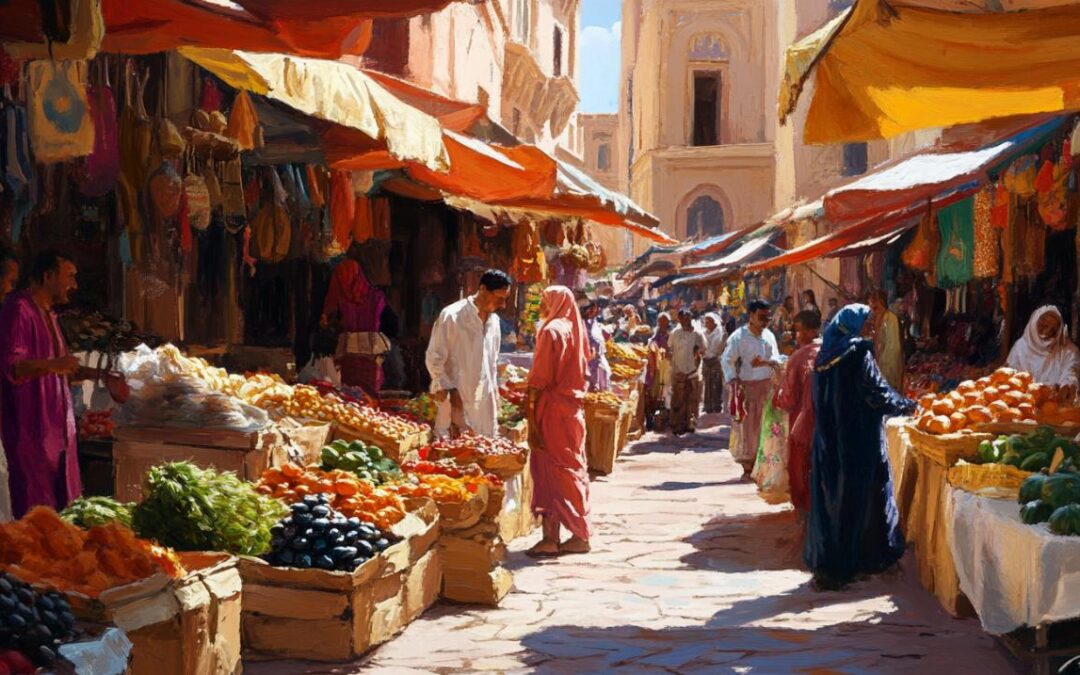
Wandering through vibrant local markets is one of the most rewarding aspects of travel. These bustling hubs of activity offer far more than just a chance to purchase souvenirs; they provide a window into the soul of a destination. From the fragrant spices piled high in the stalls to the animated conversations between vendors and customers, every element contributes to an authentic cultural experience that no guidebook can fully capture.
Preparing for your market adventure
Research and reconnaissance before you go
Before setting foot in any local market, it is wise to do a bit of homework. Having a butcher’s online beforehand is a smart move to discover which markets are worth visiting and what they are known for. Reading reviews and checking local blogs will help you suss out the best times to visit and what kind of goods they are selling. Some markets, such as the Lekki Arts and Crafts Market in Lagos, are renowned for their art, sculptures, homeware, and furniture, making them ideal for those seeking unique artisan crafts. Understanding the layout and specialities of a market can save time and ensure you do not miss out on hidden gems. It is also important to check opening times and transport options in advance. For instance, getting to Lekki Market may require a four-wheel-drive vehicle due to potholes, and visiting before four in the afternoon is advisable to avoid rush hour traffic. Planning your route using apps like Google Maps or Citymapper can make navigating public transport much easier, particularly in bustling cities like London where neighbourhoods such as Covent Garden, Soho, and Camden each offer their own distinct market experiences.
Arriving at the crack of dawn for the best finds
One of the most effective travel tips and advice for market enthusiasts is to arrive early doors. Getting there at the crack of dawn means you can beat the crowds and grab the best bargains before they are all snapped up. Early morning visits also provide a more relaxed atmosphere, allowing you to browse stalls without feeling rushed or overwhelmed. Vendors are often more willing to engage in conversation and share stories about their products when the market is not yet chockers with people. This is particularly true in markets like Borough Market in London, where the selection of fresh produce and artisan goods is at its peak in the early hours. Additionally, arriving early gives you the opportunity to witness the market coming to life, with stallholders setting up their displays and the first customers arriving to secure the finest seasonal produce. This sensory experience, filled with the sights, sounds, and smells of a market in full swing, is an essential part of cultural immersion that cannot be replicated later in the day.
Mastering the Art of Market Shopping
Haggling etiquette and getting the best price
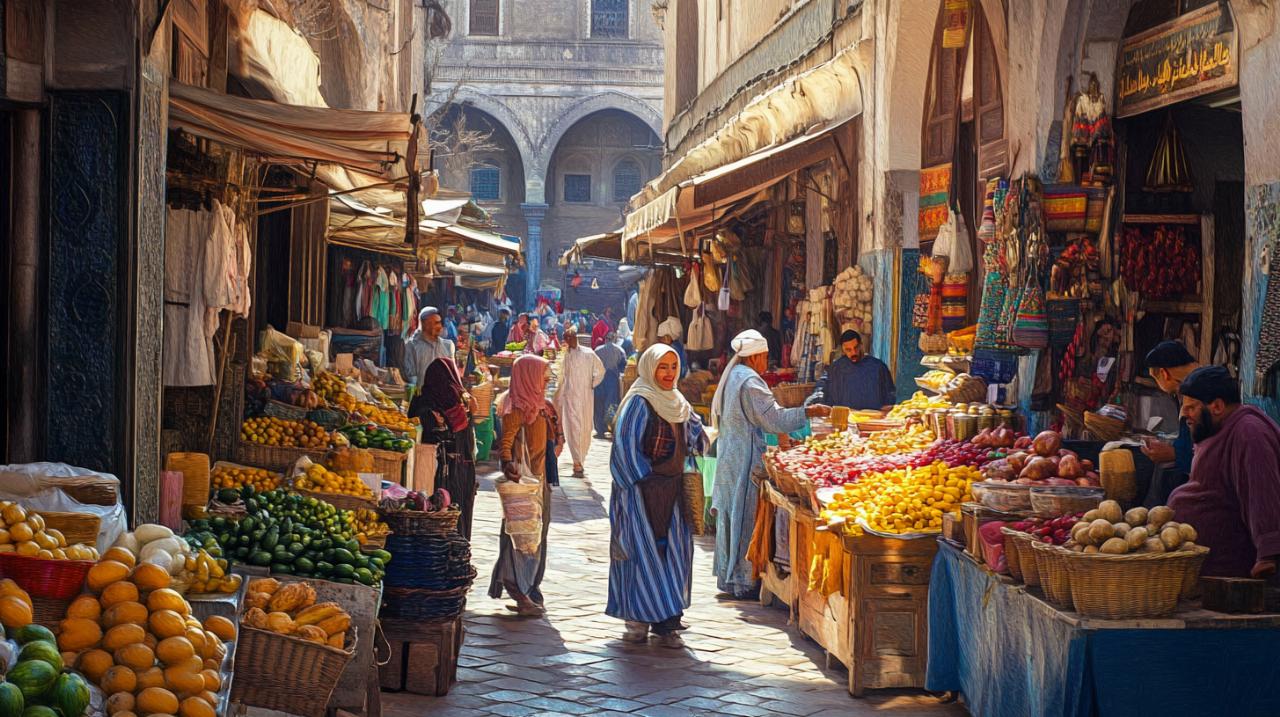
Haggling is an integral part of the market experience in many parts of the world, and understanding the etiquette can enhance your visit. In places like Khan el-Khalili Bazaar in Old Cairo or the bustling stalls of Tangiers, negotiation is not just expected but celebrated as a form of social interaction. However, it is important to approach haggling with respect and good humour. Do not be shy; get stuck in and have a good old haggle, as it is all part of the fun. The key is to negotiate reasonably and politely, starting with a lower offer but remaining aware of the value of the goods and the livelihoods of the vendors. Cash is typically preferred at many markets, including Lekki Market, though some vendors may accept local bank transfers. It is wise to bring enough cash with you, as not everyone has got a card reader. Being mindful of local customs and the economic context of the market is crucial. For instance, in some markets, free samples are offered as a gesture of hospitality, and accepting them graciously can open the door to friendly conversation and better deals. Walking around before making any purchases allows you to compare prices and quality, ensuring you get the best value without causing offence.
Spotting genuine local crafts and artisan goods
One of the great pleasures of exploring local markets is discovering unique, locally made goodies that you will not see anywhere else. To spot genuine artisan crafts, keep your peepers peeled for signs of traditional techniques and materials. Chatting to the stallholders is invaluable, as they are usually right friendly and can give you the lowdown on their products and the local area. In markets such as the artisan market in Parque El Ejido in Quito or the vibrant stalls of Mbour in Senegal, vendors often have deep connections to the crafts they sell, whether it be handwoven textiles, carved wooden sculptures, or spices sourced from the surrounding region. Pay attention to the details: handmade items often display slight variations that machine-made products lack, and the stories behind these pieces add to their value. Food culture is another area where markets shine. Sampling traditional food and spices can provide insight into the culinary traditions of a place, and some markets even offer cooking classes that delve deeper into local cuisine. For example, learning to cook mafe or thieboudienne in Senegal offers a hands-on cultural exchange that goes beyond mere sightseeing. Do not forget to bring your own reusable bag to lug all your bargains home, as this not only saves on plastic but also aligns with the sustainable ethos of many local markets.
Visiting local markets is about more than just shopping; it is an opportunity to engage all your senses and immerse yourself in the rhythm of daily life. Whether you are exploring the food markets of Copenhagen, the bustling bazaars of Old Cairo, or the vibrant stalls of Camden Market, each visit offers a unique glimpse into the culture and traditions of a place. Keep your wits about you and mind your belongings, especially if it is chockers with people, but most importantly, just soak it all in and enjoy the atmosphere. Local markets are a proper slice of life that capture the essence of a destination in a way that few other experiences can match.