
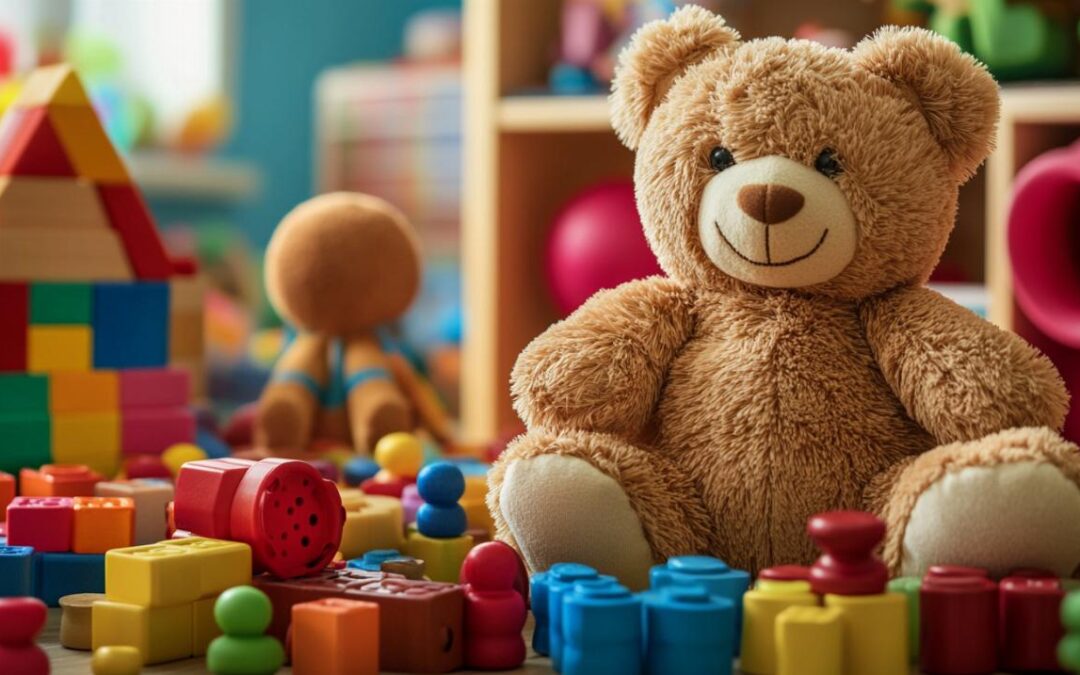
Choosing the right toys for children can feel quite overwhelming given the sheer variety available in shops and online. Parents and carers naturally want to ensure that every purchase is not only enjoyable for their little ones but also safe, beneficial for development, and capable of withstanding the rigours of daily play. Understanding how to navigate the many options is essential, and having a clear set of product selection tips can make all the difference in finding toys that truly enrich a child’s early years.
Safety and Material Standards: The Foundation of Quality Toy Selection
Understanding british safety standards and non-toxic materials
When it comes to toy safety, adhering to established British Safety Standards is absolutely crucial. The Office for Product Safety and Standards ensures that toys sold in the United Kingdom meet rigorous criteria designed to protect children from harm. It is vital to look for toys that are clearly labelled as compliant with these standards, as this provides reassurance that the item has been tested for potential hazards. Non-toxic materials are equally important, especially given that a report from 2021 found that approximately one quarter of toys contain questionable chemicals. Parents should prioritise toys made from natural materials, washable fabrics, and those that are free from lead-based paints. Toys crafted from wood, organic cotton, and other safe substances not only reduce exposure to harmful toxins but also tend to be more durable and environmentally friendly.
Identifying choking hazards and age-appropriate safety features
Choking hazards remain one of the most significant risks for young children, particularly those aged three or younger. It is essential to follow age requirements carefully, as these are determined by safety considerations rather than a child’s intelligence or skill level. Small parts, balls less than 1.75 inches in diameter, and any toy component measuring under 1.25 inches in diameter or 2.25 inches in length should be kept well away from toddlers and infants. Parents must routinely inspect toys for damage, checking for sharp edges, splinters, and any small pieces that may have become loose over time. Battery-operated toys should have securely fastened battery cases to prevent access to potentially dangerous components. Avoiding most cot toys for babies under one year old is also recommended, as these can pose suffocation or strangulation risks. Regularly checking the Child Accident Prevention Trust website for recalls and staying informed about any safety alerts ensures that toys in the home remain safe and appropriate.
Age-appropriate selection and developmental benefits
Matching toys to your child’s developmental stage
Selecting toys that align with a child’s developmental stage is fundamental to ensuring both safety and engagement. Infants under six months benefit from simple items such as rattles, soft books, linking rings, teething toys, crinkle paper, textured balls, unbreakable mirrors, and play gyms. As babies grow to between seven and twelve months, they begin to explore their surroundings more actively and enjoy dolls, stuffed animals, toys that roll, water toys, nesting toys, balls, walkers, board books, soft blocks, toys with recorded songs, and activity cubes. For one-year-olds, board books, toys that play songs, wooden blocks, puzzles, balls, wooden vehicles, animal figures, push and pull toys, and toys with switches or knobs help foster curiosity and coordination. Two-year-olds thrive with wooden puzzles featuring four to twelve pieces, train sets, blocks, magnetic tiles, sorting toys, balance bikes, picture books, pounding toys, and dress-up clothes. Children aged three to six can handle more complex challenges, including puzzles with twelve to twenty or more pieces, larger quantities of blocks and tiles, realistic animal figures, dollhouses, bicycles or tricycles, and play instruments. Matching toys to these stages ensures that children remain engaged and supported in their growth.
Fostering creativity and problem-solving through educational play
Toys that encourage creativity, imagination, and problem-solving are invaluable in helping children develop self-confidence, expand their vocabulary, and learn new skills. Building and construction toys support fine motor skills and imaginative play, allowing children to create structures and explore spatial relationships. Dolls and stuffed animals teach social skills and help children understand the world around them through role play. Musical toys encourage creativity and stimulate brain development, though it is wise to avoid overly noisy options that may cause hearing damage or simply become irritating. Real-life toys, such as play kitchens, tool sets, and shopping trolleys, allow youngsters to mimic grown-up activities and develop practical understanding. Gross motor toys, including balls, tricycles, and climbing equipment, promote physical activity, with health experts recommending at least sixty minutes of active play daily. Puzzle toys build fine motor skills, hand-eye coordination, and problem-solving abilities, all of which are essential for cognitive development. Open-ended toys that can be used in multiple ways inspire creativity and allow children to view the world from new perspectives, making them a cornerstone of effective educational play.
Durability and Construction: Investing in Long-Lasting Play
Evaluating build quality and robust materials
Investing in toys that are well-made and constructed from robust materials pays dividends over time. High-quality toys crafted from solid, natural materials such as wood, metal, and durable plastics can withstand rough handling and remain functional for years, often surviving multiple children or even generations. When evaluating build quality, parents should look for toys that are unbreakable, capable of withstanding chewing, and free from sharp edges or splinters. Toys should be easily cleaned and disinfected, a particularly important consideration for items that will be handled frequently by young children. Fabric toys should be flame resistant and washable, ensuring that they remain safe and hygienic throughout their use. Electric toys should carry approval from recognised safety bodies to confirm they meet established standards. By choosing toys made from durable materials, families can reduce waste, save money in the long run, and provide children with playthings that remain engaging and safe throughout their early years.
Classic toys versus trendy options: finding enduring value
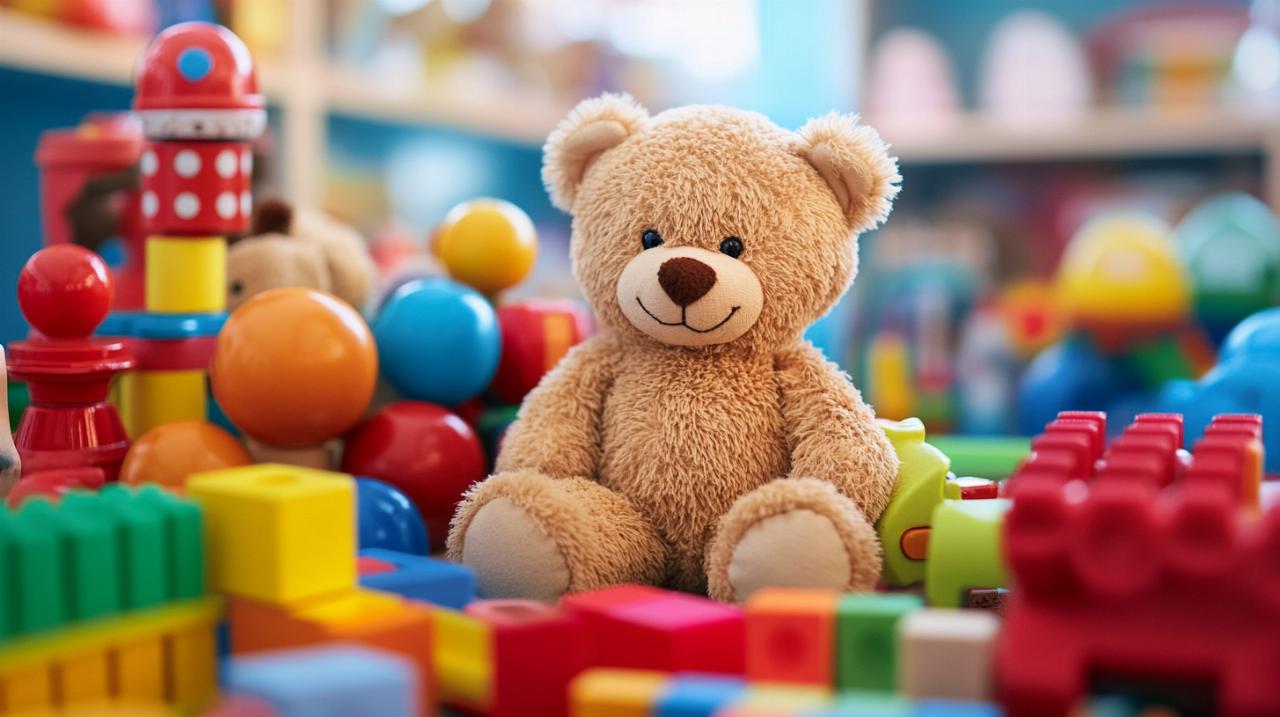
While the latest fads and trending toys may capture a child’s attention momentarily, classic toys that have stood the test of time often offer far greater enduring value. Foundational toys, such as wooden blocks, simple dolls, basic puzzles, and musical instruments, are not based on fleeting trends and can be played with in countless ways. These timeless options encourage cross-generational play, allowing parents, grandparents, and children to enjoy activities together and share experiences. Classic toys tend to be more open-ended, inspiring creativity and imagination in ways that battery-operated or character-based toys often cannot. They also tend to be more durable, made from materials that last and can be passed down or donated when children outgrow them. While there is nothing wrong with the occasional trendy toy, focusing on foundational items ensures that the toy collection remains engaging, versatile, and valuable over the long term.
Making informed choices: research and recommendations
Leveraging parent reviews and trusted recommendations
Reading reviews and seeking recommendations from other parents or carers is an invaluable step in gauging the quality and suitability of a toy. Online platforms, parenting forums, and social media groups provide a wealth of information from families who have already tested products in real-world settings. These firsthand accounts can reveal insights into durability, safety issues, and whether a toy truly delivers on its promises. Trusted recommendations from friends, family members, or professionals such as teachers and childcare providers can also guide purchasing decisions. Checking for recalls on the Child Accident Prevention Trust website and staying informed through official channels ensures that any toys brought into the home meet current safety standards. By taking the time to research and consult reliable sources, parents can make more informed choices and avoid disappointments.
Considering your child’s interests and preferences
While safety and developmental benefits are paramount, factoring in a child’s interests and preferences is equally important for maximising enjoyment and engagement. A toy that aligns with a child’s natural curiosity and passions is far more likely to be used regularly and appreciated over time. Observing what captures a child’s attention during playdates, at nursery, or in everyday activities can provide valuable clues about which types of toys will be most successful. Some children may gravitate towards building and construction, while others prefer imaginative role play, music, or physical challenges. By considering individual preferences alongside product selection tips, parents can choose toys that not only support development but also bring genuine joy and excitement to their children.
Social development and practical considerations
Selecting toys that promote social interaction and cooperation
Toys that encourage social interaction and cooperation are essential for fostering valuable social skills in young children. Board games, cooperative building sets, dolls and action figures, and pretend play items such as play kitchens or shops allow children to engage with siblings, friends, and adults in meaningful ways. These toys teach important lessons about sharing, taking turns, negotiating, and working together towards a common goal. Cross-generational play is particularly beneficial, as it allows children to learn from older family members while building strong emotional bonds. Toys that can be enjoyed by multiple children at once not only provide entertainment but also help develop communication skills, empathy, and the ability to navigate social situations. Prioritising toys that promote interaction ensures that playtime becomes a valuable opportunity for social growth.
Managing storage requirements and avoiding clutter
Bearing in mind storage and space requirements when selecting toys is a practical consideration that can significantly impact household organisation and sanity. Toys that come with numerous small pieces or require extensive space can quickly lead to clutter and frustration. Opting for toys that are easy to store, such as those with dedicated containers or items that nest or stack neatly, can help maintain order and make clean-up less of a chore. Regularly evaluating the toy collection and removing damaged, outgrown, or unused items keeps the selection fresh and manageable. Storing outdoor toys properly when not in use extends their lifespan and prevents weather-related damage. By considering storage needs and avoiding excessive accumulation, families can create a more peaceful and organised environment that allows children to focus on play without being overwhelmed by too many choices.