
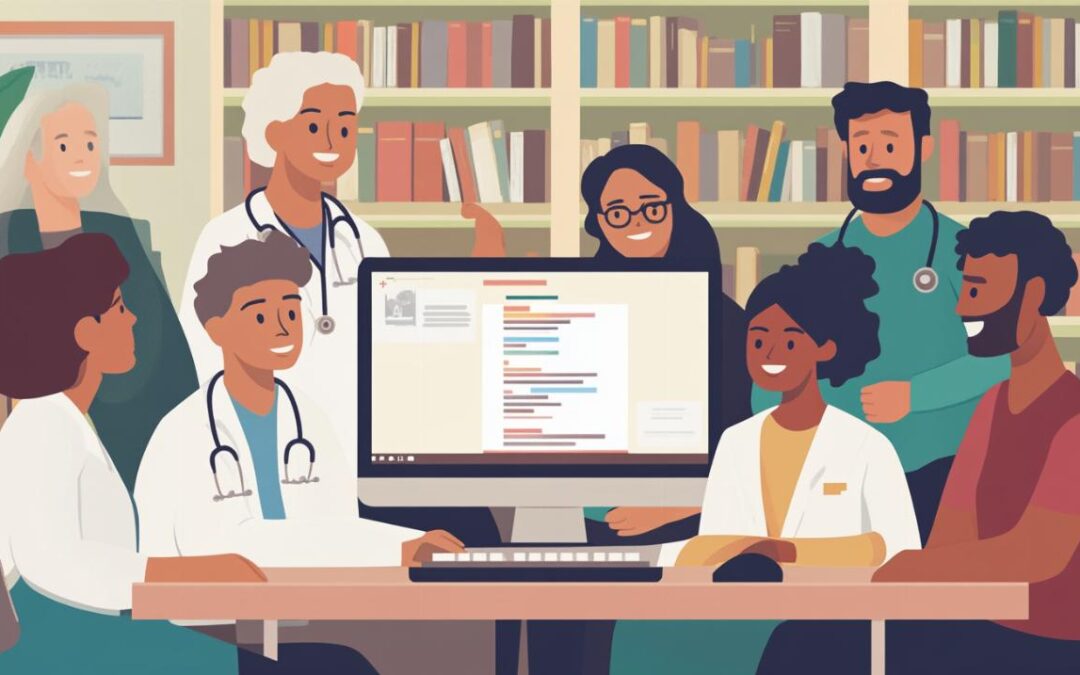
Navigating the vast landscape of online health resources can feel overwhelming, particularly when searching for medical information and advice that is both accurate and trustworthy. With countless websites, social media posts, and videos available at our fingertips, distinguishing credible content from misleading claims has never been more important. Whether you are researching a symptom, exploring treatment options, or simply seeking to improve your understanding of wellbeing, knowing how to access reliable sources is essential for making informed decisions about your health.
Identifying trustworthy sources of health information
The first step in finding dependable medical information and advice is to recognise which sources are genuinely authoritative. Not all websites or platforms are created equal, and understanding the difference between a credible health resource and an unreliable one can significantly impact the quality of information you receive. Reputable organisations such as the National Health Service, government health bodies, and established medical institutions provide content that has been carefully reviewed and is based on sound scientific evidence. When you visit a website, take a moment to examine who is behind it. Official health organisations and charities often have clear mission statements and transparent governance structures, which should give you confidence in their reliability.
Recognising authoritative healthcare organisations and government bodies
Healthcare organisations and government bodies are among the most trustworthy sources of medical guidance. Institutions such as the Royal Sussex County Hospital, Royal Alexandra Children’s Hospital, Sussex Eye Hospital, Princess Royal Hospital, St Richard’s Hospital, Southlands Hospital, and Worthing Hospital all provide valuable information and services to the public. These establishments are staffed by qualified professionals and operate under strict regulatory standards. When seeking health advice online, prioritise websites that are affiliated with such recognised institutions or those that carry endorsements from governmental health agencies. These platforms are subject to rigorous oversight and are committed to delivering accurate, up-to-date information that reflects current clinical guidelines and research.
Verifying credentials of medical professionals providing content
Another critical factor in assessing the reliability of health content is verifying the credentials of the individuals who have written or reviewed it. Qualified healthcare professionals, including doctors, nurses, and specialists, bring years of training and experience to their work. When reading an article or watching a video, look for clear indications that the content has been created or reviewed by someone with appropriate qualifications. This might include their professional title, their area of expertise, or details about their clinical background. If this information is absent or vague, it may be a sign that the content lacks the necessary authority. Remember, anyone can publish information online, but not everyone has the expertise to provide sound medical guidance.
Evaluating the quality and accuracy of medical content
Once you have identified potentially reliable sources, the next step is to critically evaluate the quality and accuracy of the content itself. Even well-intentioned websites can sometimes present information that is incomplete, outdated, or overly simplistic. A thoughtful approach to reading health content involves questioning the evidence behind the claims, considering the purpose of the information, and being alert to any signs of bias or commercial interest. By developing these skills, you can become a more discerning consumer of health information.
Cross-checking information across multiple reputable platforms
One of the most effective ways to verify the accuracy of medical content is to cross-check it against multiple reputable platforms. If a particular piece of advice or a claimed treatment is genuinely evidence-based, you should be able to find similar information on other authoritative websites. For instance, if you read about a new health guideline on one NHS page, you might look for corroborating information on other official health sites or in patient leaflets provided by recognised hospitals. Consistency across multiple trusted sources is a strong indicator that the information is reliable. Conversely, if a claim appears only on a single obscure website or on social media without any supporting evidence from established health organisations, it is wise to approach it with caution.
Understanding the limitations of personal testimonials and anecdotal accounts
Personal testimonials and anecdotal accounts can be compelling and emotionally resonant, but they are not a substitute for rigorous scientific evidence. While individual stories can provide comfort or insight, they do not necessarily reflect what will work for everyone. Medical treatments and interventions are tested through carefully designed clinical trials that involve large numbers of participants, and the results are scrutinised by experts before being recommended for general use. Relying solely on someone’s personal experience can be misleading, as outcomes can vary widely depending on a multitude of factors. When evaluating health content, give greater weight to information that is supported by peer-reviewed research and endorsed by recognised health authorities, rather than basing decisions on isolated accounts.
Staying current with evolving medical guidance

Medical science is constantly advancing, and what was considered best practice a few years ago may no longer be the case today. Staying current with the latest clinical recommendations and research is essential for ensuring that the information you rely on is both accurate and relevant. This means not only seeking out up-to-date content but also being aware that guidelines can change as new evidence emerges.
Finding the most up-to-date clinical recommendations and research
To access the most current medical guidance, it is advisable to consult websites that are regularly updated and clearly indicate when their content was last reviewed. Many reputable health organisations include a date stamp on their pages, which helps you determine whether the information reflects recent developments. For example, a page reviewed on a date such as the 26th of February 2025 is more likely to incorporate the latest research than one that has not been updated for several years. Additionally, some platforms offer newsletters or alerts that notify you of significant changes in clinical guidelines, which can be a valuable way to stay informed. When researching a specific health topic, prioritise sources that explicitly state they have been recently reviewed or revised.
Recognising when medical advice may have changed or been updated
It is equally important to recognise when previously accepted medical advice may have been revised. Changes in recommendations can occur for various reasons, such as the discovery of new evidence, advances in treatment, or a better understanding of how diseases develop and spread. If you have been following particular health guidance for some time, it is worth periodically checking whether any updates have been issued. This is especially relevant for chronic conditions or long-term treatments, where evolving research can lead to improved strategies for management and care. Being alert to these changes ensures that you continue to make decisions based on the best available evidence.
Knowing when to consult healthcare professionals directly
While online resources can be incredibly useful for general information, there are times when it is essential to seek personalised advice from a qualified healthcare professional. Understanding the distinction between general guidance and individual health concerns is crucial for your safety and wellbeing.
Understanding the importance of personalised medical advice from your GP
Your general practitioner plays a vital role in your healthcare journey, offering personalised advice tailored to your unique circumstances. No online article or video can fully account for your medical history, current medications, underlying conditions, or other individual factors that may influence the most appropriate course of action for you. When you have specific health concerns or symptoms that require attention, scheduling an appointment with your GP is the best way to receive accurate, personalised guidance. In some cases, your GP may refer you to a specialist or recommend further investigations to ensure you receive the most appropriate care. If you are ever uncertain about whether to seek professional advice, it is always better to err on the side of caution and make contact with your healthcare provider.
Distinguishing between general information and individual health concerns
It is important to recognise the limits of general health information. What you find online is typically designed to provide an overview or to help you understand a particular condition, but it cannot replace the expertise of a healthcare professional who can assess your individual situation. For example, while you might read about symptoms that suggest a visit to A&E at Royal Sussex County Hospital or another facility is warranted, only a trained clinician can properly evaluate your condition and determine the urgency of your care. Similarly, if you are considering a new treatment or supplement, discussing it with your GP ensures that it will not interfere with your current medications or exacerbate existing health issues. General information is a starting point, but personalised advice is indispensable when it comes to making decisions that affect your health directly.
In summary, accessing reliable medical information and advice requires a combination of critical thinking, careful source evaluation, and an understanding of when to seek professional help. By prioritising authoritative sources, cross-checking information, staying current with evolving guidance, and consulting healthcare professionals for personalised advice, you can navigate the wealth of health content available online with confidence and clarity.