Spain has long held a unique position in the global fashion landscape, blending centuries-old traditions with cutting-edge contemporary design. From the passionate hues of flamenco costumes to the minimalist elegance found on Madrid runways, Spanish fashion trends continue to captivate audiences worldwide. Whether you are seeking inspiration for warmer months or cooler seasons, understanding the distinctive characteristics of Spanish style offers a wealth of possibilities for refreshing your wardrobe with a touch of Mediterranean flair.
The Evolution of Spanish Fashion: From Traditional Roots to Modern Runways
Heritage influences shaping contemporary spanish design
Spanish fashion has evolved dramatically over the decades, yet its roots remain firmly anchored in the rich cultural tapestry of the Iberian Peninsula. Traditional garments such as the flamenco dress and regional folk costumes have left an indelible mark on modern collections. Designers frequently draw inspiration from these historical pieces, reinterpreting vibrant embroidery, ruffled silhouettes, and intricate lacework for contemporary audiences. This seamless blend of heritage and innovation has allowed spanish fashion trends to maintain a distinct identity while staying relevant on the global stage.
The influence of Spain’s diverse regions is also evident in the variety of styles that emerge each season. From the dramatic, bold aesthetics of Andalusia to the understated sophistication found in northern cities, regional diversity enriches the national fashion narrative. This cultural depth ensures that Spanish fashion is never monolithic, offering something for every taste and occasion. By honouring traditional craftsmanship while embracing modern techniques, Spanish designers create garments that tell a story, bridging the past and the present in every stitch.
Spain’s rising fashion capitals: madrid and barcelona
Madrid and Barcelona have emerged as the twin pillars of Spanish fashion, each contributing its own unique flavour to the industry. Madrid, with its grand boulevards and historic charm, serves as the political and cultural heart of Spain. The city’s fashion scene reflects this gravitas, with designers favouring elegant, timeless pieces that exude sophistication. Madrid Fashion Week has become a key event on the international calendar, showcasing collections that balance tradition with forward-thinking design.
Barcelona, by contrast, embraces a more avant-garde spirit. The city’s cosmopolitan atmosphere and artistic legacy, epitomised by the works of Gaudí and Picasso, inspire designers to experiment with bold shapes, unexpected textures, and unconventional colour combinations. Barcelona’s fashion scene thrives on creativity and innovation, attracting a younger, more eclectic crowd. Together, these two cities provide a dynamic and multifaceted view of Spanish fashion, ensuring that the country remains at the forefront of global style.
Spring and summer collections: mediterranean-inspired aesthetics
Vibrant colour palettes and lightweight textiles
As the warmer months approach, Spanish fashion turns its attention to the sun-drenched landscapes and azure coastlines that define the Mediterranean. Summer collections are characterised by an abundance of vibrant colours and lightweight fabrics designed to combat the heat while maintaining elegance. Cotton and linen are particularly popular choices, offering breathability and comfort even during the hottest days. These natural materials allow the skin to breathe, making them ideal for both leisurely beach outings and sophisticated evening gatherings.
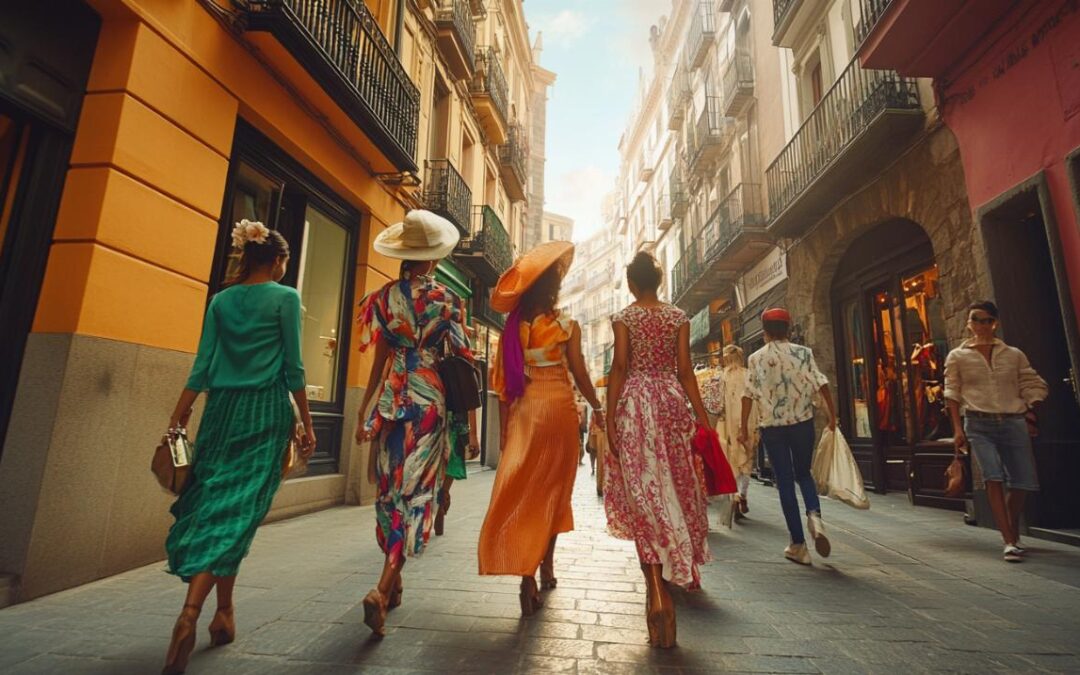
In recent trends, particularly those highlighted for summer collections, maxi dresses have become a staple in women’s wardrobes. These flowing garments, often adorned with floral prints or bold geometric patterns, capture the relaxed yet stylish essence of Spanish summer fashion. Sleeveless tops and off-the-shoulder styles further emphasise comfort and ease, allowing for freedom of movement while keeping the wearer cool. For men, polo shirts and short-sleeved button-downs paired with long shorts strike a balance between casual and refined, making them suitable for a variety of occasions.
Flamenco-influenced silhouettes for warmer months
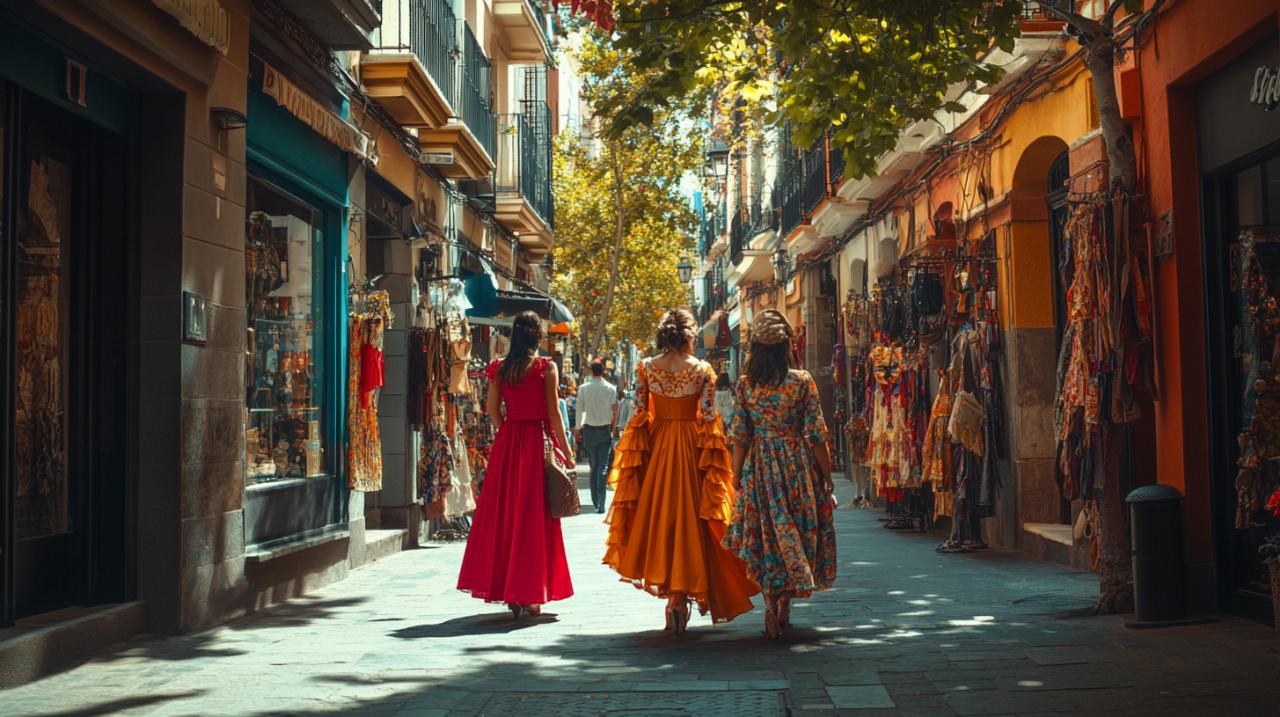
The dramatic silhouettes of flamenco costumes continue to inspire summer fashion, albeit in more wearable and everyday forms. Ruffled hems, tiered skirts, and asymmetrical cuts pay homage to the traditional dance attire while remaining practical for modern lifestyles. These elements add movement and dynamism to outfits, transforming simple garments into eye-catching statements. The influence of flamenco is particularly evident in evening wear, where designers incorporate bold ruffles and dramatic draping to create pieces that are both romantic and striking.
Footwear also plays a crucial role in completing the Spanish summer look. Espadrilles, known locally as alpargatas, are a quintessential choice for women seeking comfort without sacrificing style. These lightweight canvas shoes with rope soles are perfect for relaxed occasions, from strolling through cobblestone streets to enjoying a seaside lunch. Sandals with minimalist designs are equally popular, offering versatility and ease. Avoiding dark colours and heavy fabrics such as denim during the summer months is a common practice in Spain, as lighter shades and breathable materials help to reflect the sun’s rays and keep the body cool.
Autumn and winter styles: spanish sophistication meets practicality
Rich earth tones and luxurious fabrics
As the seasons shift and temperatures begin to drop, Spanish fashion embraces a more subdued yet equally captivating palette. Autumn and winter collections are marked by rich earth tones such as terracotta, deep olive, and warm ochre, reflecting the natural beauty of the Spanish countryside. These hues are complemented by luxurious fabrics including wool, cashmere, and velvet, which provide warmth and texture. The emphasis during cooler months is on creating a sense of cosiness without compromising on elegance, with designers crafting pieces that are both functional and aesthetically pleasing.
The use of traditional Spanish textiles also becomes more prominent in autumn and winter wardrobes. Heavy brocades, intricate embroidery, and woven patterns add depth and interest to garments, transforming simple silhouettes into works of art. These textiles are often used in outerwear such as coats and jackets, which serve as statement pieces in any outfit. The focus on quality materials and timeless design ensures that these garments remain wardrobe staples for years to come, embodying the Spanish philosophy of investing in pieces that transcend fleeting trends.
Layering techniques inspired by spanish street fashion
Spanish street fashion has gained international recognition for its effortless approach to layering, a technique that is particularly useful during the transitional seasons. Layering allows for flexibility in adapting to changing temperatures throughout the day, a necessity given the varied climates across different regions of Spain. The south, particularly Andalusia, remains warm even in winter, while northern areas experience cooler conditions. This regional diversity has fostered a culture of practical yet stylish layering, with individuals mixing textures and lengths to create visually interesting ensembles.
Typical layering combinations include lightweight knits worn over collared shirts, longline cardigans paired with tailored trousers, and structured blazers thrown over casual tees. Scarves and shawls are also essential accessories, adding both warmth and a pop of colour or pattern. The key to successful layering, as demonstrated by Spanish fashion enthusiasts, is to balance proportions and avoid overwhelming the silhouette. This approach not only keeps the wearer comfortable but also showcases a keen sense of style and attention to detail.
Iconic spanish designers and their global impact
Balenciaga, Loewe, and the Legacy of Spanish Couture
Spain has produced some of the most influential designers in fashion history, with names like Balenciaga and Loewe becoming synonymous with luxury and innovation. Cristóbal Balenciaga, often referred to as the master of haute couture, revolutionised fashion in the mid-twentieth century with his architectural silhouettes and impeccable craftsmanship. His work laid the foundation for modern design, and the brand continues to thrive today, pushing boundaries and challenging conventions under the creative direction of contemporary designers.
Loewe, another Spanish powerhouse, has a rich heritage dating back to the nineteenth century. Originally specialising in leather goods, the brand has expanded to encompass ready-to-wear fashion, accessories, and home décor. Loewe’s commitment to artisanal quality and attention to detail has earned it a loyal following among fashion connoisseurs. The brand’s ability to honour its Spanish roots while embracing global influences exemplifies the dynamic nature of Spanish fashion, proving that tradition and modernity can coexist harmoniously.
Emerging designers redefining contemporary spanish fashion
While established names continue to dominate, a new generation of Spanish designers is making waves on the international stage. These emerging talents bring fresh perspectives and innovative approaches, often challenging traditional notions of fashion. Many focus on sustainability, ethical production, and the use of recycled materials, reflecting a broader shift towards conscious consumerism. By prioritising quality over quantity and embracing slow fashion principles, these designers are redefining what it means to be stylish in the twenty-first century.
Emerging designers also draw inspiration from Spain’s diverse cultural landscape, incorporating elements from regional traditions, contemporary art, and urban subcultures. This eclectic mix results in collections that are both deeply personal and universally appealing. Fashion weeks in Madrid and Barcelona provide platforms for these rising stars to showcase their work, attracting attention from international buyers and media. As they continue to gain recognition, these designers are ensuring that Spanish fashion remains vibrant, relevant, and endlessly innovative.
Essential Fabrics and Colour Schemes in Spanish Fashion
Linen, silk, and traditional spanish textiles
The choice of fabric is fundamental to Spanish fashion, with certain materials being favoured for their practicality, beauty, and cultural significance. Linen, in particular, is a staple during the warmer months, prized for its breathability and natural texture. This lightweight fabric drapes beautifully and develops a charming, lived-in appearance over time, making it ideal for relaxed summer garments. Cotton is equally popular, offering versatility and comfort for a wide range of clothing types, from casual daywear to more formal pieces.
Silk holds a special place in Spanish fashion, often used for evening wear and special occasions. The fabric’s lustrous sheen and fluid drape lend an air of elegance to any garment, making it a favourite among designers seeking to create luxurious, eye-catching pieces. Traditional Spanish textiles, such as those woven in rural workshops, also play an important role. These handcrafted fabrics, often featuring intricate patterns and rich colours, are used in everything from outerwear to accessories, preserving centuries-old techniques while adapting them to contemporary tastes.
The spanish palette: from passionate reds to coastal blues
Colour is a defining element of Spanish fashion, with designers drawing inspiration from the country’s varied landscapes and cultural heritage. Passionate reds, reminiscent of flamenco dresses and bullfighting capes, are a recurring motif, symbolising energy, drama, and confidence. These bold hues are often balanced with softer tones such as blush pinks, warm creams, and earthy browns, creating a harmonious palette that is both striking and sophisticated.
Coastal blues and turquoise shades reflect Spain’s extensive Mediterranean and Atlantic coastlines, evoking the tranquillity and beauty of the sea. These colours are particularly popular in summer collections, where they are paired with whites and sandy neutrals to capture the essence of a beach holiday. The Spanish palette is diverse and dynamic, allowing for endless combinations and interpretations, ensuring that there is always something to suit every individual’s style and personality.
Incorporating spanish fashion trends into your british wardrobe
Adapting Mediterranean Styles for the UK Climate
While Spanish fashion is deeply rooted in warm climates and sunny landscapes, many of its key elements can be successfully adapted to suit the more temperate and unpredictable British weather. The key is to focus on versatile pieces that can be layered and adjusted according to the conditions. Lightweight cotton and linen garments, for example, can be worn during the British summer and layered with cardigans or blazers during cooler evenings. This approach allows you to enjoy the relaxed elegance of Spanish style without being caught out by sudden weather changes.
Incorporating Spanish-inspired accessories is another effective way to introduce Mediterranean flair into your wardrobe. Espadrilles, scarves with bold prints, and woven bags can add a touch of Spanish charm to even the simplest outfits. When packing for a trip to Spain or simply seeking to emulate the style at home, it is advisable to bring sunscreen, a swimsuit, and comfortable shoes, as these essentials ensure you are prepared for both leisure and exploration. Checking weather forecasts and adjusting your packing accordingly is a practical habit that ensures you remain comfortable and stylish, regardless of the season.
Key Pieces to Invest in for Authentic Spanish Flair
Building a wardrobe that reflects Spanish fashion trends does not require a complete overhaul, but rather the addition of a few carefully chosen pieces. For women, a flowing maxi dress in a vibrant print or a solid earth tone is a versatile investment that can be dressed up or down. Sleeveless tops and off-the-shoulder blouses offer both comfort and style, making them ideal for warmer days. A pair of high-quality espadrilles is a must-have, providing a quintessentially Spanish touch that pairs well with everything from denim to dresses.
For men, a well-fitted polo shirt or a short-sleeved button-down in a breathable fabric forms the foundation of a Spanish-inspired summer wardrobe. Long shorts in neutral shades offer a smart yet relaxed option for casual outings. Investing in a structured blazer or a tailored coat in rich autumnal hues ensures you are prepared for cooler months while maintaining a polished appearance. Accessories such as leather belts, woven hats, and minimalist sandals complete the look, adding authenticity and personality. By focusing on quality over quantity and choosing pieces that reflect the relaxed sophistication of Spanish fashion, you can effortlessly incorporate these trends into your everyday style, bringing a touch of Mediterranean warmth to your British wardrobe.