

Living sustainably has become a pressing necessity as concerns about climate change, biodiversity loss, and the wellbeing of our oceans continue to grow. Millions of people worldwide are making eco-friendly choices daily to protect the environment for future generations. The journey towards sustainability does not require drastic lifestyle overhauls but rather a series of mindful, everyday decisions that collectively reduce our carbon footprint and support renewable resources. This guide offers practical, actionable advice to help you integrate sustainability into your routine effortlessly.
Eliminating single-use plastics from your daily routine
One of the most significant steps towards a greener lifestyle is tackling the issue of single-use plastics, which contribute to immense environmental harm by polluting oceans and endangering wildlife. These disposable items, often used for mere minutes, persist in landfills and waterways for centuries. Reducing reliance on them is not only achievable but also surprisingly straightforward with a few conscious swaps.
Choosing Reusable Alternatives for Shopping and Storage
Transitioning away from plastic bags and disposable containers begins with investing in reusable alternatives that can serve you for years. Bringing your own shopping bags to supermarkets and grocers is an easy habit to adopt and one that significantly cuts down on waste. Canvas totes, sturdy cloth bags, and foldable carriers are practical, often stylish, and can hold far more than flimsy plastic options. For storage at home, consider glass jars, silicone pouches, and beeswax wraps instead of cling film and zip-lock bags. These reusable products preserve food freshness while eliminating the need for single-use packaging. Over time, these small changes add up to substantial waste reduction and demonstrate how simple shifts in daily habits can support environmental protection.
Transitioning to Refillable Water Bottles and Coffee Cups
Disposable plastic bottles and takeaway coffee cups are among the most common sources of waste in modern life. Carrying a refillable water bottle wherever you go is a simple yet powerful way to reduce your carbon footprint and support sustainability. Stainless steel, glass, or BPA-free plastic bottles are durable, affordable, and available in a variety of designs to suit personal preferences. Similarly, investing in a reusable coffee cup not only helps the planet but can also save money, as many cafes offer discounts to customers who bring their own. By making these small but meaningful changes, you contribute to a circular economy that values longevity and responsible consumption over throwaway convenience.
Supporting local food systems and seasonal eating
The way we source and consume food has a profound impact on carbon emissions, biodiversity, and the health of our communities. Choosing locally produced and seasonal foods supports farmers, reduces the environmental cost of transport, and ensures fresher, more nutritious produce reaches your table. This approach to eating aligns perfectly with sustainable living tips that emphasise mindful choices and environmental awareness.
The Benefits of Shopping at Farmers’ Markets and Greengrocers
Visiting farmers’ markets and local greengrocers offers a direct connection to the people who grow your food, fostering community action and supporting local farming. Unlike supermarket chains that often rely on lengthy supply chains and excessive packaging, these smaller vendors typically provide fresh, seasonal produce with minimal wrapping. Shopping locally also allows you to ask questions about farming practices, discover organic products, and learn about the origins of your food. This transparency empowers you to make ethical shopping decisions that align with your values. Furthermore, the money spent at local markets stays within the community, strengthening regional economies and encouraging sustainable agricultural practices.
Reducing your carbon footprint through seasonal produce choices
Opting for seasonal fruits and vegetables is another effective way to lower your environmental impact. Out-of-season produce often requires energy-intensive greenhouse cultivation or long-distance transport, both of which contribute significantly to carbon emissions. By enjoying strawberries in summer and root vegetables in winter, you align your diet with natural growing cycles, reducing the need for artificial inputs and fossil fuel consumption. Seasonal eating also tends to be more affordable and flavourful, as crops harvested at their peak are fresher and more nutritious. This practice not only benefits the planet but also reconnects you with the rhythms of nature and the changing seasons.
Making your home more energy efficient
Your home is a significant source of energy consumption, and improving its efficiency can lead to substantial reductions in both carbon emissions and household bills. From upgrading appliances to adopting simple daily habits, there are numerous ways to make your living space more sustainable and environmentally friendly.
Investing in Energy-Saving Appliances and Smart Metres
Modern energy-efficient appliances are designed to perform the same tasks as older models while using significantly less electricity. Replacing outdated fridges, washing machines, and dishwashers with those that carry high energy ratings can cut consumption dramatically. Installing a smart metre provides real-time feedback on your energy use, helping you identify wasteful patterns and adjust your behaviour accordingly. These devices empower you to take control of your household’s environmental impact and make informed decisions about when and how to use electricity. Over time, the savings on energy bills often offset the initial investment, making this a financially and environmentally sound choice.
Simple habits to reduce electricity consumption daily
Beyond upgrading appliances, small changes in daily routines can lead to impressive energy savings. Switching off lights when leaving a room, unplugging devices to avoid phantom power consumption, and dialling down heating and cooling systems are all easy habits that reduce electricity use. Drying clothes on a rack rather than using a tumble dryer saves considerable energy, especially during warmer months. Shorter showers conserve both water and the energy required to heat it, while using energy-efficient light bulbs throughout your home can cut lighting costs by up to eighty percent. These eco-practices require minimal effort but collectively contribute to a greener lifestyle and a healthier planet.
Choosing greener transport options
Transport is a major contributor to carbon emissions, and rethinking how we travel is essential for sustainable living. Whether commuting to work or running errands, opting for greener alternatives to driving can significantly reduce your environmental footprint and improve your wellbeing.
Benefits of Cycling and Walking for Short Journeys
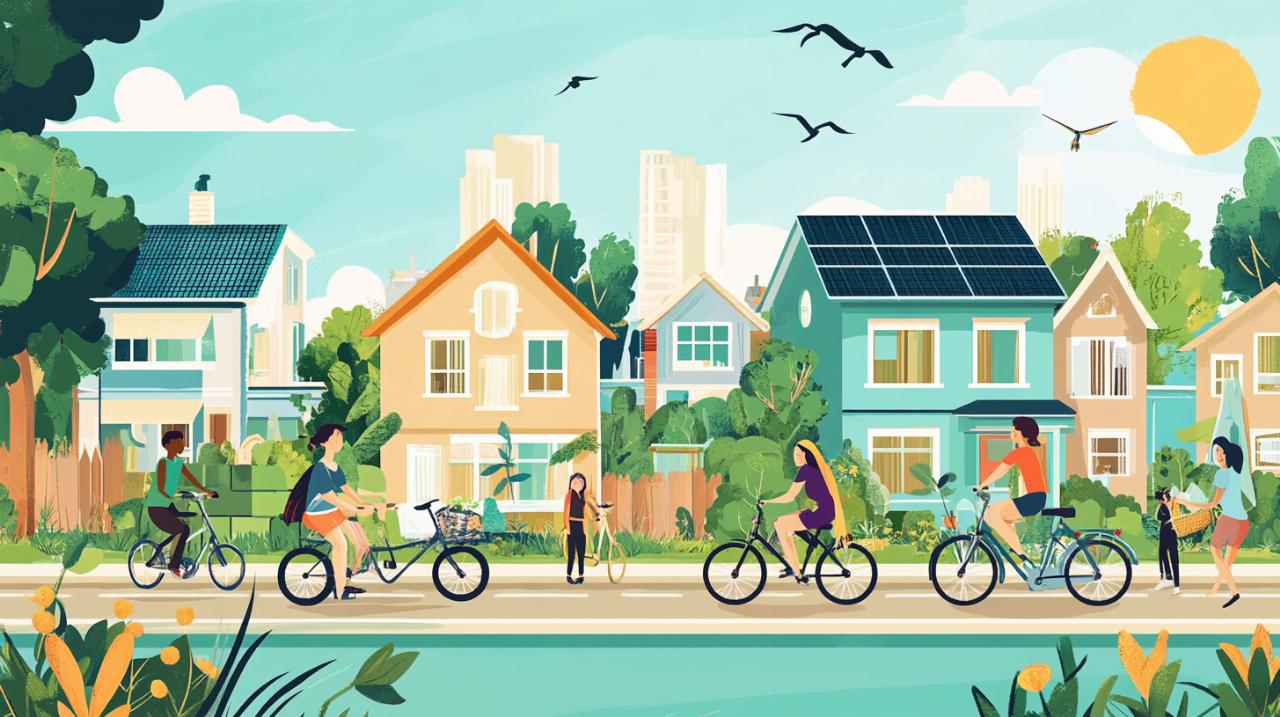
Choosing to walk or cycle instead of driving for short trips is one of the most effective ways to lower vehicle emissions and support climate action. These modes of transport produce zero pollution, promote physical health, and offer a more intimate connection with your local environment. Cycling and walking also reduce traffic congestion, noise pollution, and the demand for parking spaces, making cities more liveable and sustainable. Investing in a quality bicycle and safe storage can make this transition easier, while many communities are expanding cycle lanes and pedestrian pathways to encourage active transport. This shift not only benefits the environment but also enhances your fitness and mental wellbeing.
Maximising public transport to lower vehicle emissions
When longer distances make walking or cycling impractical, public transport is a far more sustainable option than driving alone. Buses, trains, and trams move many people efficiently, spreading carbon emissions across multiple passengers and reducing the overall environmental cost per journey. Regular use of public transport supports investment in cleaner, more efficient systems and demonstrates demand for greener infrastructure. For those who must fly, travelling lighter reduces the weight on aircraft and thus the fuel required, while offsetting flight emissions through carbon credits can help mitigate the environmental impact. By prioritising public and shared transport, you contribute to a collective effort to reduce methane emissions and protect the planet.
Adopting mindful and conscious consumption habits
The products we buy and the companies we support have far-reaching consequences for the environment and society. Embracing responsible consumption means thinking critically about what we truly need, how it is made, and the values of the brands we choose to support.
Purchasing only what you truly need
One of the most powerful sustainable living tips is to resist the temptation of overconsumption and buy only what you genuinely require. Fast fashion, in particular, has a devastating environmental impact, with the clothing industry in the United Kingdom alone producing emissions equivalent to driving a car around the world six times in a single year. Before making a purchase, ask yourself whether the item is necessary, whether it will last, and whether it can be borrowed or bought second-hand instead. Choosing refurbished electronics, borrowing tools or equipment, and repairing rather than replacing items all contribute to waste reduction and a circular economy. This mindful approach not only conserves resources but also saves money and reduces clutter.
Selecting ethical and sustainable brands
Supporting companies that prioritise sustainability, fair labour practices, and environmental protection is a crucial aspect of ethical shopping. Look for certifications such as B Corp status, which indicates a commitment to social and environmental responsibility. Many brands now offer organic products, use renewable resources, and minimise packaging, making it easier than ever to align your purchases with your values. Sustainable fashion labels focus on quality over quantity, using eco-friendly materials and ethical production methods. Similarly, sustainable beauty brands avoid harmful chemicals and excessive packaging, often offering refillable options. By choosing to support these businesses, you send a clear message that consumers demand accountability and environmental stewardship. This collective action drives industry change and fosters a greener, more responsible marketplace.