
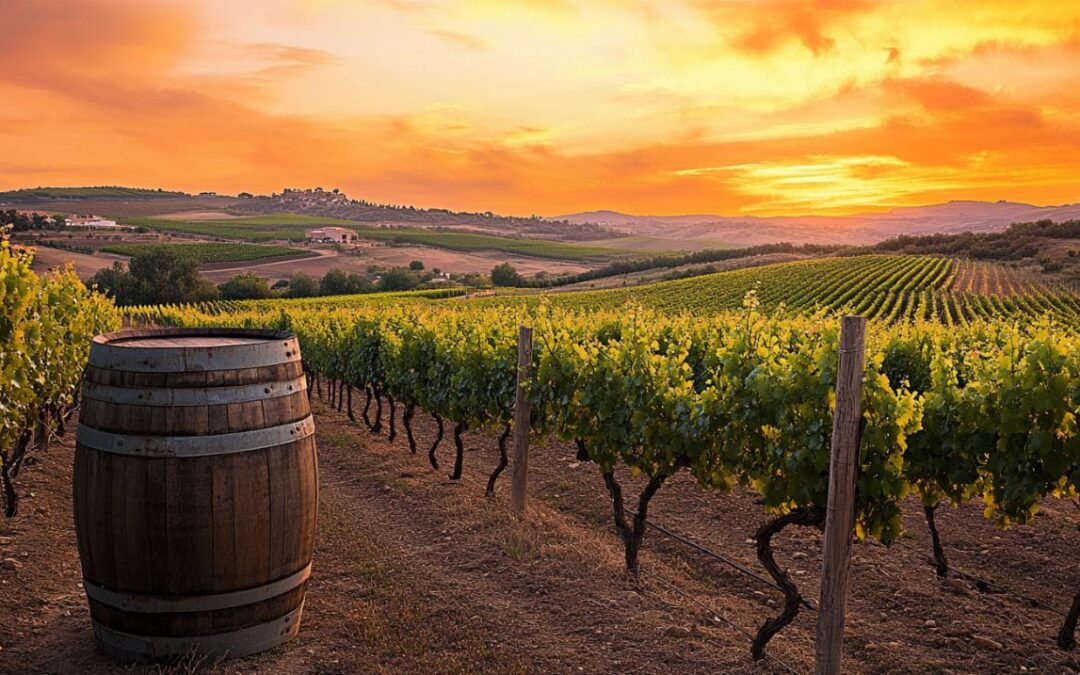
Spain’s viticultural landscape represents centuries of tradition interwoven with modern innovation, creating a tapestry of flavours that captivates wine enthusiasts worldwide. From the rolling hills of northern territories to the sun-drenched southern valleys, the country offers an extraordinary diversity of wine expressions. Whether one seeks robust reds, crisp whites, or celebratory sparkling varieties, the Spanish wine regions deliver exceptional quality that reflects their unique climates, soils, and winemaking philosophies. This journey through Spain’s most celebrated wine territories reveals not only the technical mastery behind each bottle but also the cultural heritage that continues to shape these remarkable beverages.
The Prestigious Wine Territories of Rioja and Ribera del Duero
Among the sixty-nine officially recognised wine regions across Spain, few command the international recognition enjoyed by Rioja and Ribera del Duero. These two areas have established themselves as benchmarks for quality red wine production, each offering distinctive characteristics that appeal to different palates whilst showcasing the remarkable potential of Tempranillo, the nation’s most celebrated grape variety. The reputation of these regions extends far beyond Spanish borders, with their wines gracing tables at fine dining establishments and private collections throughout the world.
Rioja’s time-honoured winemaking traditions and tempranillo excellence
Rioja stands as perhaps the most internationally acclaimed of all spanish wine regions, divided into three distinct subregions that each contribute unique qualities to the final blends. Rioja Alta, Rioja Alavesa, and Rioja Baja work together to create wines that balance elegance with structure, freshness with depth. The region’s fame rests largely upon its sophisticated ageing classifications, which provide clear guidance to consumers seeking specific wine profiles. A Crianza requires two years of maturation, including time in oak barrels, whilst Reserva wines rest for three years and Gran Reserva offerings age for five years or more before release. This commitment to extended maturation develops complex flavour profiles characterised by notes of vanilla, leather, tobacco, and dried fruit alongside the bright cherry and plum characteristics of the Tempranillo grape. The winemaking traditions here stretch back centuries, yet producers continually refine their techniques, balancing respect for heritage with modern precision. Visitors to the region during the grape harvest months from August to October witness the culmination of a year’s careful vineyard management, as perfectly ripened clusters arrive at wineries where they will begin their transformation into wines destined for cellars and tables around the globe.
Ribera del Duero’s Bold Expressions and Distinctive Terroir
Situated in the Castilla y León region, Ribera del Duero has earned recognition for producing richer, more powerful red wines than its northern counterpart, though it too relies primarily on Tempranillo grapes. The continental climate here brings dramatic temperature variations between day and night, which contributes to the development of intense colour and concentrated flavours in the fruit. The terroir of Ribera del Duero imparts a distinctive character to its wines, often described as more robust and full-bodied than those from Rioja, with darker fruit profiles and firm tannins that promise excellent ageing potential. High-altitude vineyards benefit from cool nights that preserve acidity whilst sunny days ensure complete ripeness, creating wines with remarkable balance despite their power. The region’s slate and limestone soils add mineral complexity to the fruit-forward expressions, resulting in wines that speak eloquently of their origin. As the reputation of Ribera del Duero continues to grow, innovative wineries have emerged alongside traditional estates, all committed to showcasing the exceptional quality that these high-plateau vineyards can achieve. For those seeking accommodation near these prestigious wine territories, luxury villas in Spain offer the perfect base for exploration, with options ranging from golf villas to beach villas and pet-friendly properties complete with amenities such as pool heating, ensuring comfort throughout any season.
Penedès and the Diversity of Spanish Wine Styles
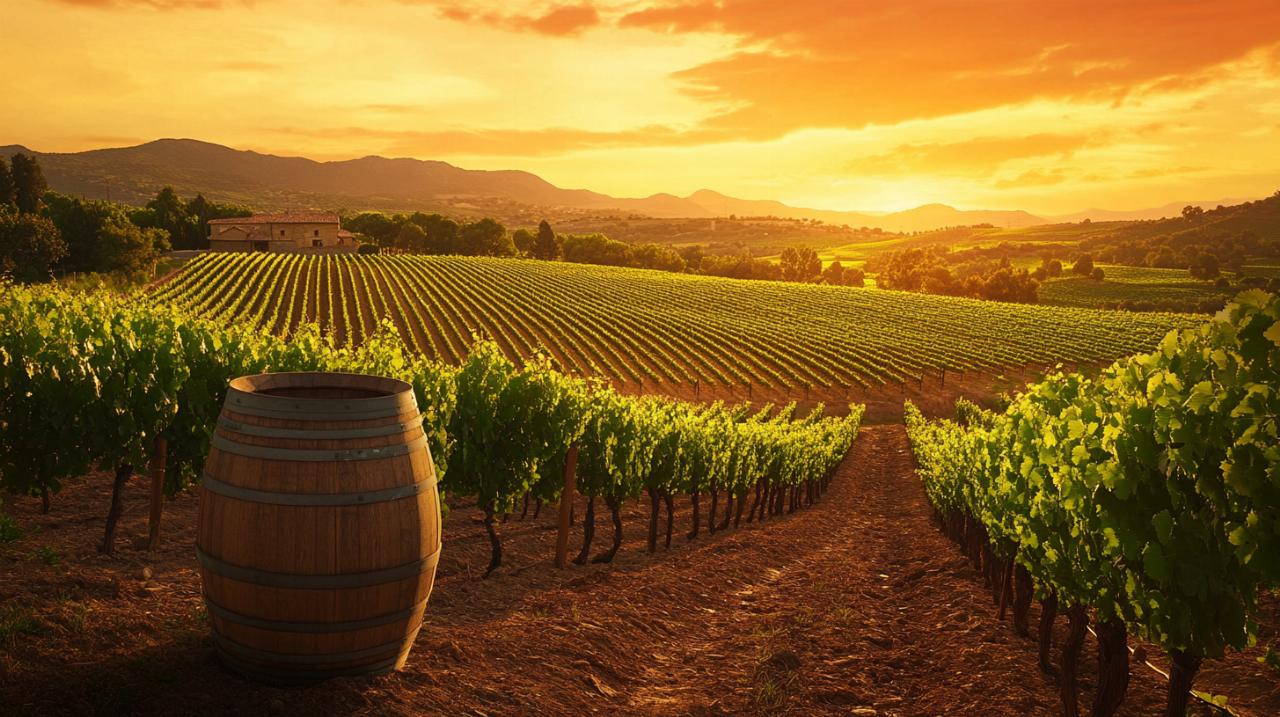
Whilst the northern regions may dominate discussions of Spanish red wines, the country’s viticultural diversity extends far beyond single styles or colours. From the fortified Sherry wines of Andalucía to the crisp white Albariño of Galicia, Spain demonstrates remarkable versatility across its varied climates and grape varieties. This diversity reflects not only geographical differences but also centuries of cultural evolution, with each region developing specialities that complement local cuisine and lifestyle. Understanding this breadth of offerings allows wine enthusiasts to appreciate the full spectrum of Spanish winemaking achievement.
Catalonia’s penedès region and its pioneering spirit
The Penedès region in Catalonia stands as the birthplace of Cava, Spain’s flagship sparkling wine that rivals Champagne in quality whilst maintaining its own distinctive character. This area has long embraced innovation, with wineries experimenting with both indigenous and international grape varieties to create wines that appeal to modern palates without abandoning tradition. Cava production follows the traditional method, with secondary fermentation occurring in the bottle, creating fine bubbles and complex flavours that range from fresh and fruity in younger styles to rich and toasty in extended-aged versions. The region produces both white and rosé expressions, offering versatility for various occasions and food pairings. Beyond sparkling wines, Penedès winemakers craft excellent still wines from varieties including Garnacha, Monastrell, and international grapes that thrive in the Mediterranean climate. The pioneering spirit here has made Penedès a centre of experimentation where winemakers balance respect for Catalan heritage with curiosity about new possibilities. Visitors exploring this region can combine wine tourism with cultural experiences, perhaps staying in luxury accommodation from collections such as the Designer collection or Retreat collection, which provide sophisticated bases for discovering Catalonia’s viticultural treasures. The proximity to Barcelona adds urban cultural attractions to the appeal of vineyard visits and private wine tastings.
Understanding spain’s remarkable grape varieties across different regions
Spain boasts over four hundred native grape varieties, a genetic wealth that underpins the country’s vinous diversity. Whilst Tempranillo dominates red wine production across multiple regions, other varieties contribute distinctive regional characters that prevent monotony in the Spanish wine landscape. Garnacha, known elsewhere as Grenache, thrives in warmer areas and forms the backbone of intense wines from regions such as Priorat, where slate soils add mineral complexity to the naturally fruity character of the grape. The coastal region of Rías Baixas in Galicia has built its reputation on Albariño, a white grape that produces wines with refreshing acidity and citrus notes that pair beautifully with the abundant seafood of the Atlantic coast. The Godello grape, another Galician specialty, creates fuller-bodied white wines with stone fruit flavours and aromatic complexity. In Valencia’s Utiel-Requena area, winemakers work with Monastrell and Bobal grapes to produce fruity wines that reflect a long winemaking history dating back centuries. The fortified wines of Andalucía rely on Palomino grapes, which undergo unique ageing processes to create Sherry styles ranging from bone-dry Fino to rich Amontillado. This remarkable variety means that Spanish wine regions offer something for every preference, from those seeking food-friendly whites to collectors pursuing age-worthy reds or enthusiasts exploring the nuanced world of fortified wines. Wine tourism in Spain has flourished as visitors seek authentic experiences, with options including stays in rural collection properties that offer tranquillity amidst vineyard landscapes or family collection villas that accommodate groups wishing to explore together. The period from August to October provides ideal conditions for visits, as the grape harvest brings vineyards to life with activity and the mild autumn weather makes travel pleasant. Whether one’s interest lies in the structured elegance of Rioja, the power of Ribera del Duero, the celebratory sparkle of Cava, or the singular character of Sherry, the Spanish wine regions deliver experiences that satisfy both palate and curiosity, inviting deeper exploration with each discovery.