
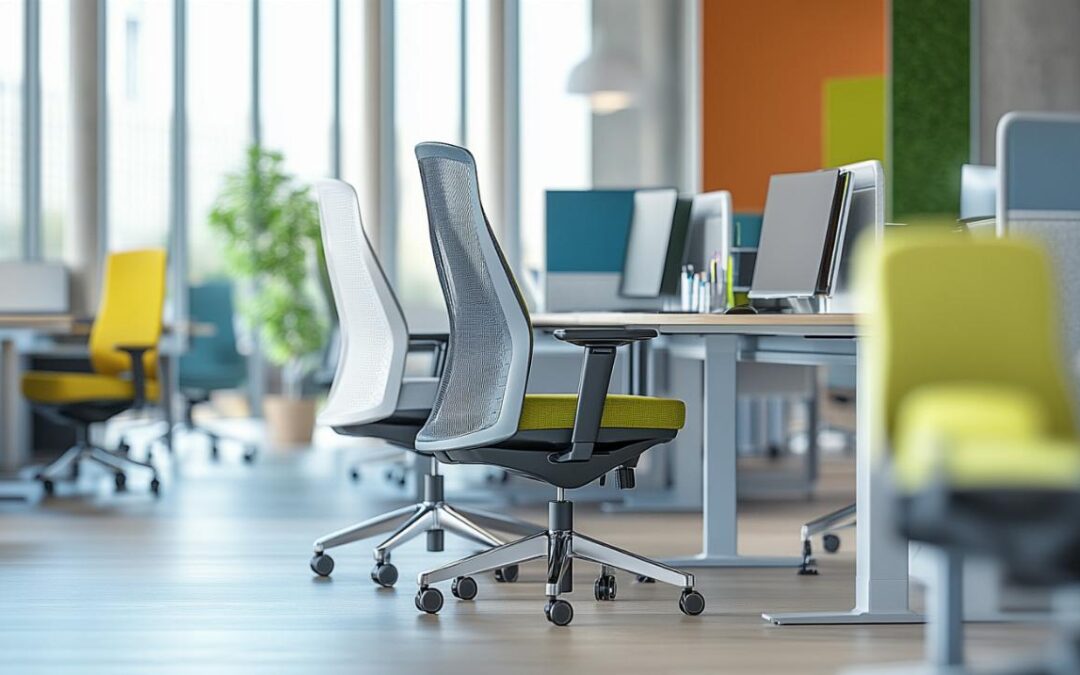
The modern workplace demands more than just dedication and focus; it requires an environment that actively supports your physical well-being throughout the working day. As many professionals spend upwards of eight hours seated at their desks, the choice of seating becomes far more critical than one might initially assume. An uncomfortable chair not only disrupts concentration but can also lead to long-term health complications that affect both personal life and professional output. Investing in proper seating is not merely a luxury but a fundamental component of creating a workspace that promotes both comfort and efficiency.
Why Workplace Comfort Matters for Your Health and Productivity
Understanding the profound connection between workplace comfort and overall health is essential for anyone who spends significant time at a desk. The human body was not designed for prolonged periods of sitting, and when combined with inadequate support, the consequences can be both immediate and enduring. Comfort in the workplace directly influences not only how you feel during the day but also your ability to maintain focus, creativity, and enthusiasm for the tasks at hand. When discomfort becomes a constant companion, it quietly erodes productivity and diminishes the quality of work produced.
The Physical Impact of Poor Seating on Your Body
Poor seating arrangements can have a cascading effect on various parts of the body, beginning with the spine and extending to the shoulders, neck, and even the lower limbs. When a chair fails to provide adequate lumbar support, the natural curve of the lower back is compromised, leading to slouching and undue pressure on the spinal discs. Over time, this misalignment can result in chronic lower back pain, a condition that affects millions of workers worldwide and is one of the leading causes of workplace absenteeism. The shoulders and neck often bear the brunt of poor posture as well, with tension building up from holding the body in unnatural positions for extended periods.
Beyond the spine, inadequate seating can also lead to circulatory issues. When the edge of a chair presses too firmly against the thighs or the seat is too high, blood flow to the lower legs can be restricted, causing numbness, tingling, and even swelling in the feet and ankles. These symptoms are not merely uncomfortable; they can signal the onset of more serious vascular problems if left unaddressed. Additionally, sitting in a poorly designed chair can exacerbate existing conditions such as sciatica or hip pain, making even the simplest movements feel laborious and painful. The cumulative effect of these physical issues is a body that feels perpetually fatigued and unable to perform at its best.
How proper ergonomics boosts work performance and well-being
When the workplace is equipped with seating that prioritises ergonomic principles, the benefits extend well beyond the absence of pain. Proper ergonomic support allows the body to maintain its natural alignment, reducing the strain on muscles and joints and enabling a more relaxed and efficient working posture. This physical ease translates directly into mental clarity and sustained concentration, as the mind is no longer distracted by aches and discomfort. Employees who are comfortable are more likely to remain engaged with their tasks, exhibit higher levels of creativity, and demonstrate greater resilience when facing challenging projects.
The psychological impact of workplace comfort should not be underestimated either. A supportive chair communicates a message of care and respect, fostering a sense of well-being that can enhance overall job satisfaction. When individuals feel that their health is valued, they are more likely to reciprocate with loyalty and dedication. Furthermore, the reduction in physical discomfort can lead to fewer sick days and a lower incidence of repetitive strain injuries, which benefits both the individual and the organisation as a whole. In this way, the investment in ergonomic seating becomes a strategic decision that supports long-term productivity and a healthier, happier workforce.
Essential Features to Look for in an Ergonomic Office Chair
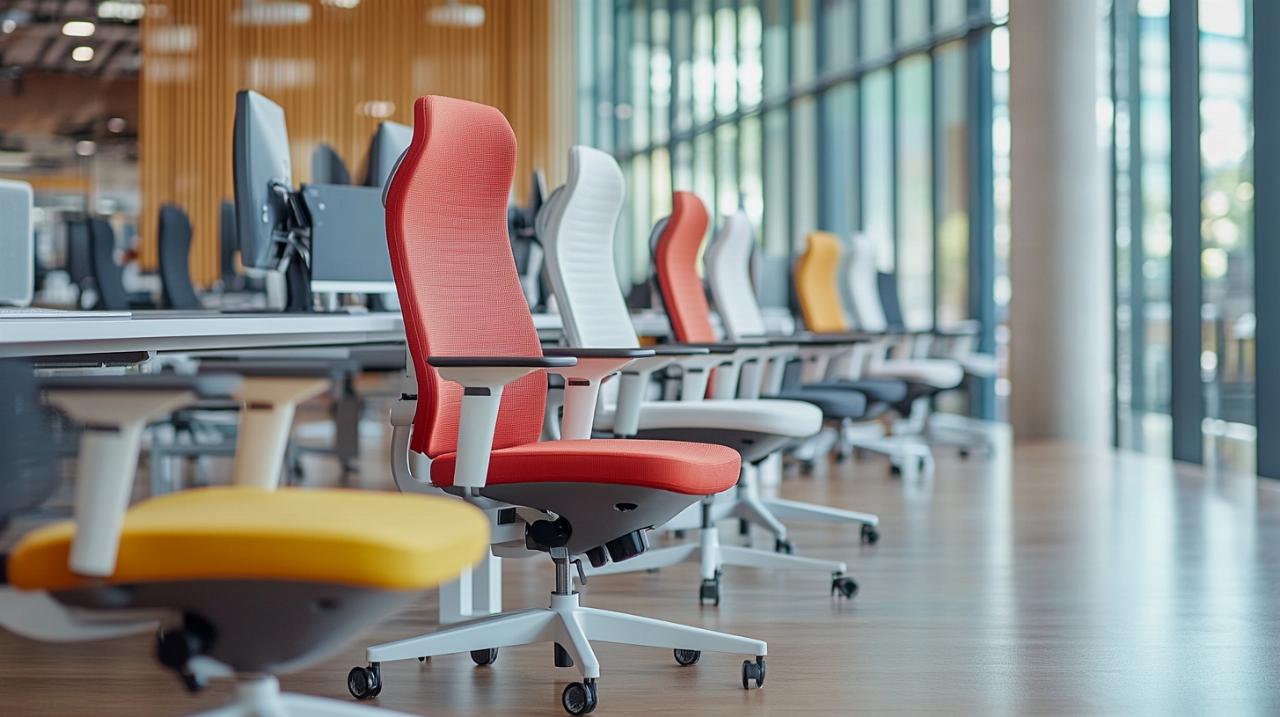
Selecting the right chair involves more than simply choosing a model that appears comfortable at first glance. A truly ergonomic chair is one that can be tailored to the unique dimensions and needs of the individual user, offering a range of adjustable features that work together to support the body in its natural alignment. When evaluating ergonomic office chair suggestions, it is crucial to consider how each element contributes to overall comfort and whether the chair can adapt to different tasks and sitting preferences throughout the day. The right chair should feel almost invisible, allowing you to focus entirely on your work without being reminded of your seating arrangement.
Adjustable components that support your natural posture
One of the most critical aspects of an ergonomic chair is its adjustability, which enables the user to customise the seating experience to match their body type and working style. Seat height adjustment is fundamental, as it allows the feet to rest flat on the floor with the knees forming a comfortable angle. This simple feature prevents undue pressure on the thighs and promotes healthy circulation. Equally important is the ability to adjust the seat depth, ensuring that there is adequate space between the back of the knees and the edge of the chair, which helps to avoid compression of the blood vessels in the legs.
Lumbar support is another indispensable component, and the best chairs offer adjustable mechanisms that allow you to position the support precisely where your lower back needs it most. This feature helps to maintain the natural inward curve of the lumbar spine, counteracting the tendency to slouch and distributing weight more evenly across the backrest. Armrests that can be adjusted in height, width, and angle are also valuable, as they reduce strain on the shoulders and neck by allowing the arms to rest comfortably while typing or using a mouse. The backrest itself should offer a range of recline options, enabling you to shift your posture throughout the day and take brief moments of relaxation without leaving your seat.
Material Quality and Breathability for All-Day Comfort
The materials used in the construction of an ergonomic chair play a significant role in determining how comfortable it remains over extended periods of use. High-quality padding provides the necessary cushioning to support the body without becoming too soft or losing its shape over time. Memory foam is a popular choice, as it moulds to the contours of the body and offers consistent support, but traditional high-density foam can also be effective when properly engineered. The key is to find a balance between firmness and comfort, ensuring that the chair does not feel too rigid yet offers enough resistance to maintain proper posture.
Breathability is another essential consideration, particularly for those who spend the entirety of their working day seated. Chairs upholstered in mesh fabric allow air to circulate freely, preventing the build-up of heat and moisture that can lead to discomfort and distraction. This is especially beneficial in warmer climates or in offices where temperature control is less than ideal. Leather and faux leather options can also be comfortable, but they may not offer the same level of ventilation, making them better suited to cooler environments. The frame and base of the chair should be robust and stable, with a five-point base and smooth-rolling castors that allow for easy movement without compromising safety. Ultimately, the choice of materials should reflect not only aesthetic preferences but also practical considerations related to durability, ease of maintenance, and the specific needs of the user.