
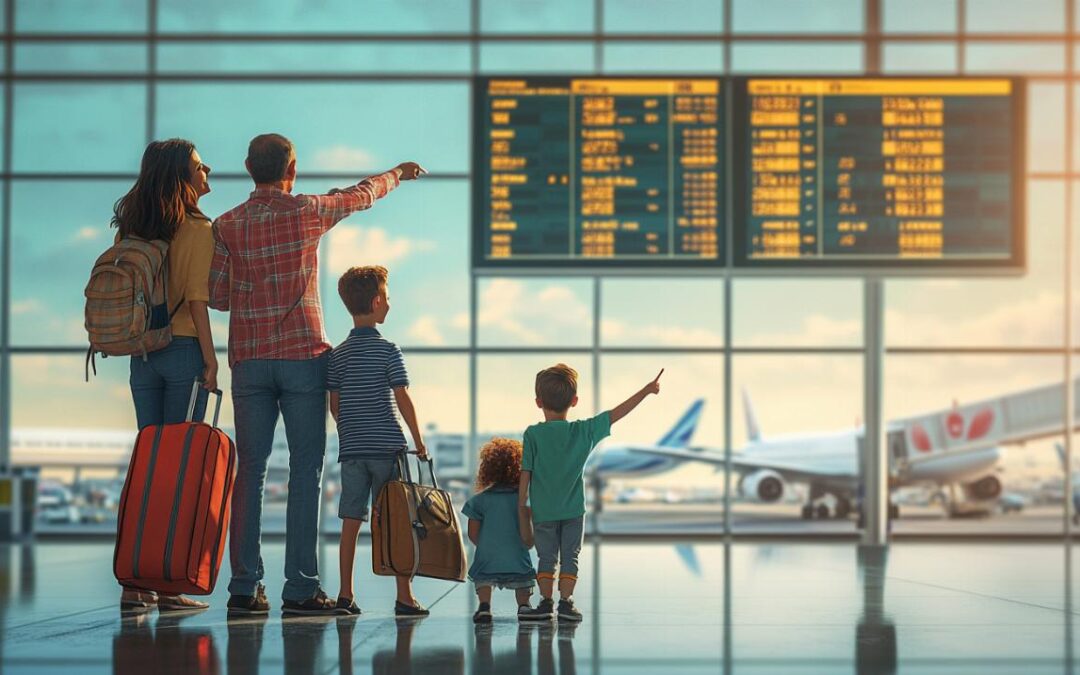
Embarking on a journey with the entire family can transform an ordinary holiday into an unforgettable adventure. While the prospect of exploring new destinations with young ones is undeniably exciting, it also requires thoughtful preparation and a generous dose of patience. Whether you are planning a sun-soaked getaway to the Mediterranean coast or a city break closer to home, understanding how to navigate the unique demands of family travel can make all the difference between a chaotic expedition and a delightfully smooth experience.
Preparing before your family adventure
The foundation of any successful family holiday lies in meticulous preparation well before you set foot outside your front door. By investing time in organising the finer details of your trip, you create a framework that allows for spontaneity without sacrificing structure. This early groundwork not only alleviates stress but also ensures that everyone in the family, from the youngest toddler to the most seasoned traveller, knows what to expect and can look forward to the journey ahead.
Organising your itinerary and timings effectively
Crafting a sensible itinerary is an art that balances ambition with realism. Families often underestimate the time required to move from one location to another, especially when travelling with children who may need frequent breaks or unexpected nappy changes. Rather than cramming every minute with activities, consider leaving generous gaps in your schedule to accommodate the unpredictable nature of travelling with little ones. This approach means that if your departure from the hotel takes longer than anticipated or your child decides to have a meltdown in the middle of a museum, your entire day does not collapse into chaos. Planning around your children’s natural routines, such as nap times and meal schedules, can also help maintain a semblance of normality even when far from home. Early morning or late evening flights might seem economical, but they can disrupt sleep patterns and lead to cranky passengers. Instead, aim for departure times that align with your family’s usual rhythm, ensuring everyone is well-rested and in good spirits when the adventure begins.
Getting the Children Involved in Travel Planning
One of the most effective ways to ensure that your children are engaged and cooperative during your holiday is to involve them in the planning process from the outset. When young travellers feel that their opinions matter and that they have a stake in the journey, they are more likely to embrace the experience with enthusiasm rather than resistance. Encourage your children to research destinations alongside you, perhaps by showing them pictures of the beaches in Spain or the historical sites in Greece. Allow them to choose one or two activities they would particularly like to try, whether that is visiting a local zoo, exploring a castle, or simply enjoying a day at the seaside. This sense of ownership transforms them from passive participants into active contributors, fostering excitement and reducing the likelihood of complaints or boredom. Additionally, discussing the journey itself, including what to expect at the airport or during a long car ride, helps demystify the travel experience and alleviates any anxieties they might harbour. By making the planning phase a collaborative family project, you lay the groundwork for a more harmonious and enjoyable trip for everyone involved.
Packing and Practical Arrangements for Family Travel

Once your itinerary is in place and your children are buzzing with anticipation, the next crucial step is to ensure that your packing and practical arrangements are comprehensive yet manageable. The key is to strike a balance between being thoroughly prepared and avoiding the burden of excessive luggage. A well-packed bag can be the difference between a minor inconvenience and a major crisis, particularly when travelling with infants or toddlers who require a host of specialised items.
What to Pack: Snacks, Entertainment, and Safety Essentials
The importance of packing wisely cannot be overstated when it comes to family travel. Among the essentials, healthy snacks and hydration options rank at the top of the list. Hunger and thirst can quickly turn a pleasant journey into a nightmare, as irritable and restless children are far less likely to enjoy the experience. Stock your carry-on with a variety of nutritious options such as fruit slices, cheese cubes, crackers, and small sandwiches, ensuring that you have enough to sustain everyone throughout the journey. Avoid sugary treats that might lead to energy spikes and subsequent crashes, which can exacerbate travel fatigue. Alongside sustenance, entertainment is equally vital. While screen-based activities such as tablets loaded with films and games are undeniably effective, it is wise to include non-screen alternatives like colouring books, puzzles, and small toys that can capture your child’s attention without relying on technology. Simple travel games such as I Spy or scavenger hunts can also transform long stretches of travel into engaging activities that the whole family can enjoy. Safety essentials should never be overlooked, and a well-stocked first aid kit is indispensable. Include plasters, antiseptic wipes, any necessary medications, and items to address common ailments such as travel sickness or minor cuts. Comfort items, such as a favourite blanket or stuffed toy, can provide reassurance to anxious young travellers and help them settle more easily in unfamiliar environments. Remember to pack hygiene essentials, including wet wipes, hand sanitiser, and nappy-changing supplies if applicable, ensuring that you are prepared for any eventuality.
Managing Documents and Allowing Buffer Time for Delays
In the realm of practical arrangements, organisation and foresight are your greatest allies. Keeping all essential travel documents, such as passports, boarding passes, travel insurance details, and hotel confirmations, in a single, easily accessible folder or pouch ensures that you can retrieve them quickly when needed. This simple step can save precious minutes at check-in desks and security checkpoints, reducing stress and preventing the frantic searches that can occur when important papers are scattered across multiple bags. It is also wise to double-check airline and accommodation policies regarding children, as requirements can vary significantly. Some airlines offer special services for families, such as priority boarding or bulkhead seats with extra legroom, which can make a substantial difference to your comfort during the flight. When booking seats, consider options that suit your family’s needs, whether that is a window seat to keep a curious toddler entertained by the view or seats at the back of the plane where you might have more space and fewer passengers to disturb. Allowing extra time for every stage of your journey is perhaps one of the most valuable travel tips for families. Delays, whether due to traffic, long security queues, or unexpected tantrums, are almost inevitable when travelling with children. By building in buffer time, you afford yourself the luxury of moving at a more relaxed pace, reducing the pressure on everyone and ensuring that minor hiccups do not derail your plans. Arriving at the airport with ample time to spare means you can navigate check-in and security without rushing, giving your children the opportunity to explore family lanes and facilities designed to ease the travel experience. Similarly, when planning transfers between locations, whether by coach, car, or train, factor in additional time to account for rest stops, nappy changes, or simply the slower pace that accompanies family travel. This approach not only minimises stress but also allows you to savour the journey rather than viewing it merely as a hurdle to overcome. Ultimately, the combination of thorough preparation, thoughtful packing, and a flexible, positive attitude transforms family travel from a daunting challenge into an enriching adventure that creates lasting memories for all.