
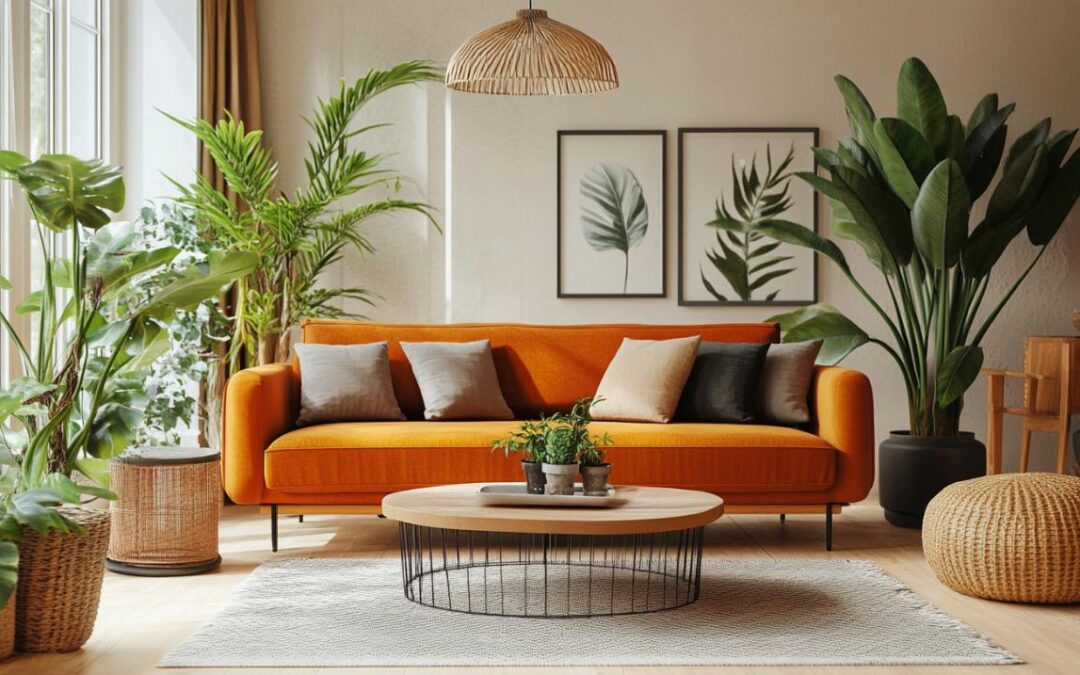
Creating a home that balances environmental responsibility with aesthetic appeal has become a priority for many homeowners across the United Kingdom. Sustainable interior design is no longer a niche concept but rather an essential approach that harmonises style, comfort, and ecological mindfulness. By thoughtfully selecting materials, repurposing existing items, and integrating energy-saving solutions, you can craft a living space that reflects both personal taste and a commitment to the planet.
Embracing eco-friendly materials and natural elements
Choosing the right materials forms the foundation of a sustainable and stylish home. When planning renovations or updates, prioritise eco-friendly options such as reclaimed wood, cork, bamboo, and recycled plastics. These materials not only reduce environmental impact but also bring unique character and warmth to interiors. Reclaimed wood, for instance, carries history and texture that new timber simply cannot replicate, whilst bamboo offers rapid renewability and remarkable durability. Incorporating these elements into flooring, furniture, or accent pieces ensures that your home design embodies both elegance and environmental consciousness.
Selecting sustainable building materials for your space
When embarking on a design project, it is crucial to consider the origin and certification of the materials you select. FSC-certified wood guarantees that timber comes from responsibly managed forests, protecting biodiversity and supporting sustainable forestry practices. Opting for materials sourced locally further reduces the carbon footprint associated with transportation and supports regional craftspeople. In heritage properties and period homes, maintaining the original structure and integrating sustainable materials can preserve architectural integrity whilst modernising the space. By investing in quality craftsmanship and materials with longevity, you create interiors that stand the test of time and reduce the frequency of replacements.
Bringing Nature Indoors with Plants and Organic Textures
Biophilic design, which emphasises the connection between indoor environments and the natural world, plays a vital role in sustainable interior design. Introducing plants into your home not only enhances air quality but also improves mental health and overall well-being. Houseplants naturally filter pollutants and contribute to a calming atmosphere, making them a simple yet powerful addition to any room. Complement greenery with organic textures such as linen, wool, and other natural fibres in soft furnishings and upholstery. These materials are not only tactile and visually appealing but also biodegradable and less resource-intensive than synthetic alternatives, reinforcing a commitment to conscious consumption.
The Art of Vintage and Upcycled Furnishings
One of the most effective interior design tips for achieving sustainability is to embrace vintage and upcycled furniture. Rather than purchasing new items that demand fresh resources and energy, consider sourcing pre-loved pieces that bring character and history to your home. Antique furniture often boasts superior craftsmanship and durability, qualities that are increasingly rare in mass-produced alternatives. By choosing vintage items, you reduce waste and contribute to a circular economy where products are reused and cherished rather than discarded.
Sourcing quality pre-loved furniture with character
Exploring local antique shops, estate sales, and online marketplaces can yield remarkable finds that suit both traditional and contemporary interiors. Quality pre-owned furniture often retains excellent resale value, making it a sound investment as well as an environmentally responsible choice. When selecting vintage pieces, look for solid construction and timeless design that can adapt to evolving tastes and room layouts. Supporting local businesses and craftspeople not only reduces transportation emissions but also strengthens the community and preserves traditional skills.
Creative upcycling projects to transform old pieces
Upcycling offers an opportunity to personalise your home whilst minimising environmental impact. Reupholstering worn chairs with sustainable fabrics, refinishing wooden tables, or repurposing vintage textiles into cushions and lampshades are all creative ways to breathe new life into old items. Made to measure curtains, blinds, and other bespoke services allow you to tailor existing furnishings to your exact specifications, ensuring both fit and style are impeccable. These projects not only reduce waste but also result in unique, one-of-a-kind pieces that reflect your personal aesthetic and commitment to sustainability.
Energy efficiency and natural lighting solutions
Energy efficiency is a cornerstone of sustainable interior design, influencing both environmental impact and household running costs. By making strategic choices in appliances, window treatments, and lighting, you can significantly reduce energy consumption and create a more comfortable living environment. Natural light, in particular, plays a critical role in enhancing both the ambience and energy efficiency of a home.
Choosing appliances that reduce your carbon footprint
When selecting appliances, prioritise those with high energy efficiency ratings. Modern technology has made it easier than ever to find refrigerators, washing machines, and heating systems that perform exceptionally well whilst consuming less power. Investing in energy-efficient appliances not only lowers your carbon footprint but also reduces utility bills over time. Additionally, consider installing dimmer switches, which can save between twenty and sixty per cent of lighting energy, allowing you to adjust brightness according to need and mood.
Maximising daylight through strategic window placement
Natural light is one of the most valuable assets in any home, contributing to well-being, air quality, and energy savings. Maximising daylight through strategic window placement and thoughtful interior design changes can transform the atmosphere of your space. In period homes, where enlarging windows may not be feasible, consider lighter colour palettes and reflective surfaces to amplify available light. Well-made curtains and blinds not only enhance privacy and aesthetics but also improve heat retention by approximately fifteen per cent, reducing drafts and energy loss. By combining these elements, you create a bright, welcoming environment that minimises reliance on artificial lighting and heating.
Sustainable textiles and low-impact finishes
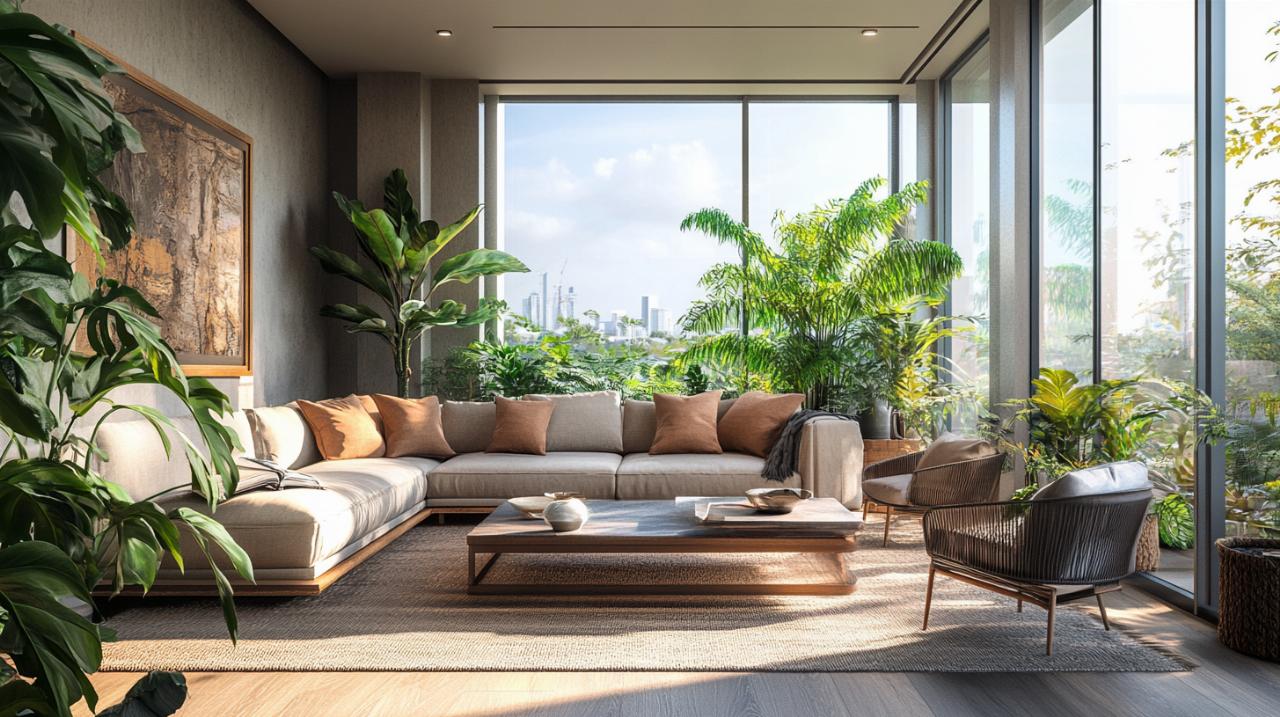
The textiles and finishes you choose for your home have a profound impact on both environmental sustainability and indoor air quality. Prioritising natural fibres and low-VOC products ensures a healthier living environment for you and your family whilst supporting responsible manufacturing practices.
Opting for Eco-Conscious Fabrics in Upholstery and Soft Furnishings
Natural fibres such as linen, wool, organic cotton, and hemp offer numerous advantages over synthetic materials. These fabrics are biodegradable, require fewer chemicals during production, and often provide superior comfort and durability. Linen, for instance, is prized for its breathability and timeless elegance, whilst wool offers excellent insulation and fire-retardant properties without the need for harmful chemical treatments. When selecting upholstery and soft furnishings, seek out suppliers who prioritise transparency in their sourcing and production processes. Bespoke services, such as made to measure curtains and cushions, allow you to specify natural materials and ensure a perfect fit for your space.
Selecting Low-VOC Paints and Natural Finishes for Healthier Air Quality
Volatile organic compounds found in conventional paints and finishes can negatively affect indoor air quality and pose health risks. Choosing low VOC paints and natural finishes is a simple yet effective way to create a healthier home environment. These products emit fewer harmful chemicals, improving air quality and reducing the risk of respiratory issues and allergies. Additionally, be mindful of fire retardant chemicals often used in furniture and textiles, as these can also impact health. By prioritising natural, non-toxic materials, you create a safer, more comfortable living space that aligns with sustainable design principles.
Water conservation and local material sourcing
Water conservation and responsible sourcing are integral to sustainable interior design. By installing water-saving fixtures and supporting local craftspeople, you contribute to environmental protection and community resilience.
Installing water-saving fixtures throughout your home
Modern water-saving fixtures, such as low-flow taps, dual-flush toilets, and efficient showerheads, can dramatically reduce household water consumption without sacrificing performance. These fixtures are designed to maintain water pressure and functionality whilst using significantly less water, making them an essential component of a sustainable home. In addition to reducing environmental impact, water-saving fixtures can lower utility bills and conserve a precious resource for future generations.
Supporting local craftspeople and reducing transportation emissions
Sourcing materials and furniture locally offers multiple benefits for sustainability and community well-being. By choosing British-made furniture and working with local craftspeople, you reduce the carbon footprint associated with long-distance transportation and support quality craftsmanship. Local sourcing also fosters transparency in the supply chain, allowing you to verify the sustainability and ethical practices of producers. Whether you are furnishing a new space or updating an existing one, consider visiting local showrooms, such as those in London, where you can explore a range of sustainable options and receive personalised interior design consultation.
Designing for Longevity and Future Adaptability
A truly sustainable interior is one that endures both in quality and relevance. Designing for longevity and adaptability ensures that your home remains functional and stylish as your needs and tastes evolve, reducing the need for frequent renovations and replacements.
Creating Timeless Interiors That Stand the Test of Time
Timeless design transcends fleeting trends, focusing instead on classic proportions, quality materials, and understated elegance. By investing in well-crafted, durable pieces, you create interiors that age gracefully and retain their appeal for decades. Emphasise neutral colour palettes, natural textures, and versatile furniture that can adapt to changing aesthetics. This approach not only reduces waste but also ensures that your home remains a source of comfort and pride over the long term.
Building flexible spaces that evolve with your lifestyle
Flexibility is key to sustainable design, as it allows your home to adapt to evolving family dynamics, work arrangements, and lifestyle preferences. Consider multi-functional furniture, such as extendable dining tables or modular seating, that can be reconfigured to suit different needs. Open-plan layouts and thoughtful storage solutions also enhance adaptability, ensuring that spaces remain practical and inviting as circumstances change. By designing with longevity and flexibility in mind, you create a home that grows with you, minimising the environmental and financial costs of frequent updates.
For further guidance and inspiration, visit the showroom at Rays House, North Circular Road, London, NW10 7XP, open Monday to Saturday from ten in the morning until six in the evening, and on Sundays and Bank Holidays from eleven in the morning until five in the evening. You can also reach out via telephone on 020 8153 1235 or by email at [email protected] to discuss bespoke services and interior design consultation.