
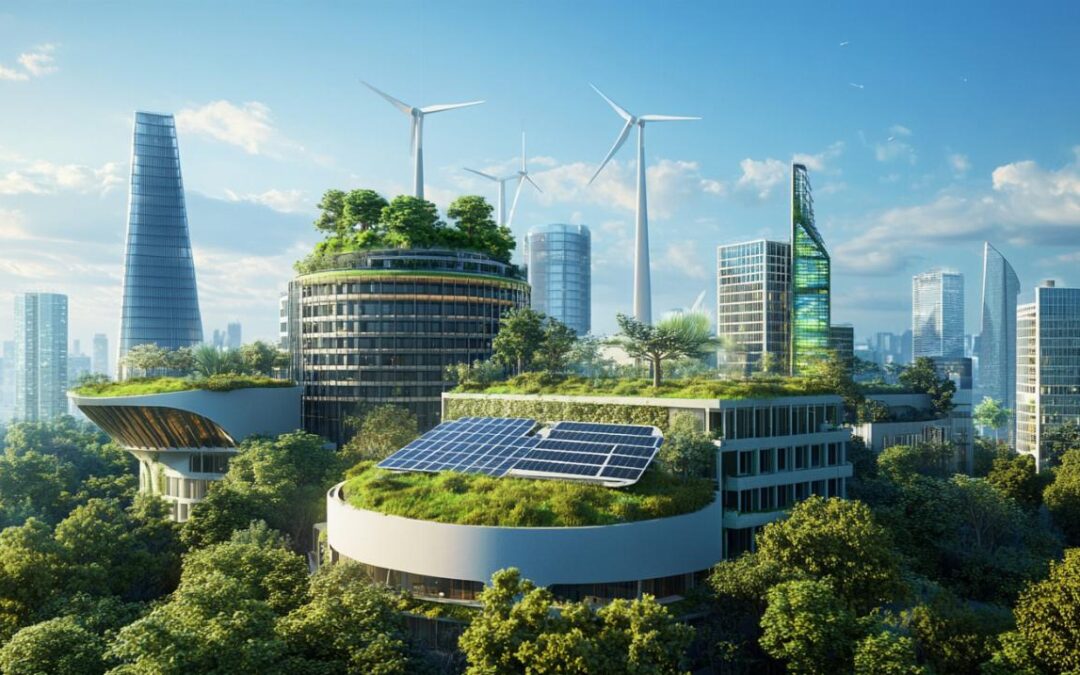
The built environment stands at a pivotal crossroads where innovation meets responsibility, and the choices made today will determine the health of our planet for generations to come. As urbanisation accelerates and climate concerns intensify, the construction sector is responding with creative approaches that blend technological advancement with environmental stewardship. This evolving landscape offers a glimpse into a future where buildings not only shelter inhabitants but actively contribute to ecological balance and energy conservation.
Revolutionary eco-friendly building materials reshaping modern construction
Bio-Based and Recycled Materials Leading the Sustainable Building Revolution
A fundamental shift is underway in how the industry sources and utilises raw materials, with bio-based options emerging as viable alternatives to traditional construction staples. Bamboo exemplifies this transformation, offering a rapidly renewable resource that grows at remarkable speeds whilst maintaining structural integrity comparable to conventional timber. Its versatility extends across flooring, scaffolding, and even decorative applications, making it a favourite amongst architects seeking sustainable construction solutions that do not compromise on aesthetics or performance.
Recycled steel represents another cornerstone of environmentally responsible building, significantly reducing the energy demands associated with producing virgin metal. By repurposing existing steel from decommissioned structures and industrial waste, the construction sector curtails carbon emissions whilst diverting substantial quantities of material from landfills. This approach demonstrates how circular economy principles can be embedded directly into structural frameworks, creating buildings that honour both past resources and future environmental needs.
Reclaimed wood has gained traction as designers and developers recognise the dual benefits of reducing deforestation whilst adding character and history to modern spaces. Salvaged timber from old barns, factories, and warehouses brings unique grain patterns and patinas that new lumber cannot replicate, offering aesthetic appeal alongside ecological responsibility. This practice not only conserves forests but also reduces the energy expenditure associated with processing and transporting freshly harvested wood.
Carbon-negative construction materials and their environmental impact
Innovation in concrete formulation has opened pathways to dramatically lower the carbon footprint of one of the world’s most ubiquitous building materials. By incorporating industrial by-products such as fly ash, slag, and even algae into concrete mixtures, manufacturers create low-impact alternatives that maintain structural performance whilst slashing greenhouse gas emissions. These eco-friendly concretes challenge the conventional notion that strength must come at the expense of environmental stewardship.
Cross-laminated timber has emerged as a transformative material capable of competing with steel and concrete in multi-storey applications. Unlike its traditional counterparts, CLT actively sequesters carbon throughout its lifespan, effectively turning buildings into long-term carbon storage facilities. This renewable resource offers architects and engineers a robust option for constructing tall structures whilst contributing positively to climate change mitigation efforts.
Rainscreen cladding systems exemplify how material innovation can serve multiple sustainability objectives simultaneously. By creating a ventilated cavity between the cladding and the building envelope, these systems provide superior moisture protection, prevent damp and mould, and enhance thermal performance. The resulting reduction in heat loss during winter and prevention of overheating in summer translate directly into lower energy consumption, demonstrating how thoughtful design can address both building durability and energy efficiency in a single solution.
Cutting-edge green construction technologies and methodologies
Smart building systems and energy-efficient design innovations
The integration of intelligent technologies into building management represents a quantum leap in how structures interact with their occupants and environment. Smart building systems employ sensors and automation to dynamically adjust heating, cooling, and lighting based on occupancy patterns and environmental conditions. This responsive approach ensures that energy is consumed only when and where needed, eliminating the waste associated with static systems and delivering substantial reductions in operational costs over the building’s lifecycle.
Passive solar design harnesses the sun’s energy through strategic architectural planning rather than mechanical intervention. By carefully positioning windows, thermal mass, and shading elements, designers enable buildings to capture warmth during colder months whilst minimising heat gain in summer. This approach to natural temperature regulation reduces reliance on conventional heating and cooling systems, lowering both energy consumption and carbon emissions without sacrificing occupant comfort.
Natural ventilation strategies leverage airflow patterns to cool buildings through thoughtful placement of openings and ventilation shafts. This time-tested principle, refined through modern computational modelling, allows fresh air to circulate throughout structures, improving indoor air quality whilst reducing dependence on energy-intensive mechanical ventilation. The combination of passive design and natural ventilation creates built environments that breathe in harmony with their surroundings.
Solar power installations have transitioned from niche applications to mainstream solutions, with photovoltaic panels now adorning rooftops across residential, commercial, and industrial buildings. These systems generate clean energy throughout their operational life, often producing surplus electricity that can be fed back into the grid. The declining cost of solar technology combined with improving efficiency makes renewable energy generation an increasingly accessible component of sustainable construction.
Modular and Prefabricated Construction Approaches for Reduced Environmental Footprint
Building Information Modelling has revolutionised how construction projects are planned, executed, and maintained. By creating detailed digital representations of buildings before physical construction begins, BIM enables precise material ordering, reduces waste, and facilitates collaboration amongst all project stakeholders. This virtual planning environment allows teams to identify potential conflicts and inefficiencies early, streamlining the construction process whilst minimising resource consumption.
Digital twins extend the concept of virtual modelling beyond the construction phase, creating dynamic replicas that mirror the physical building throughout its entire lifecycle. These sophisticated models enable real-time monitoring of building systems, predictive maintenance scheduling, and continuous optimisation of energy performance. Through constant feedback loops between the physical structure and its digital counterpart, facility managers can identify opportunities for improvement and respond proactively to emerging issues.
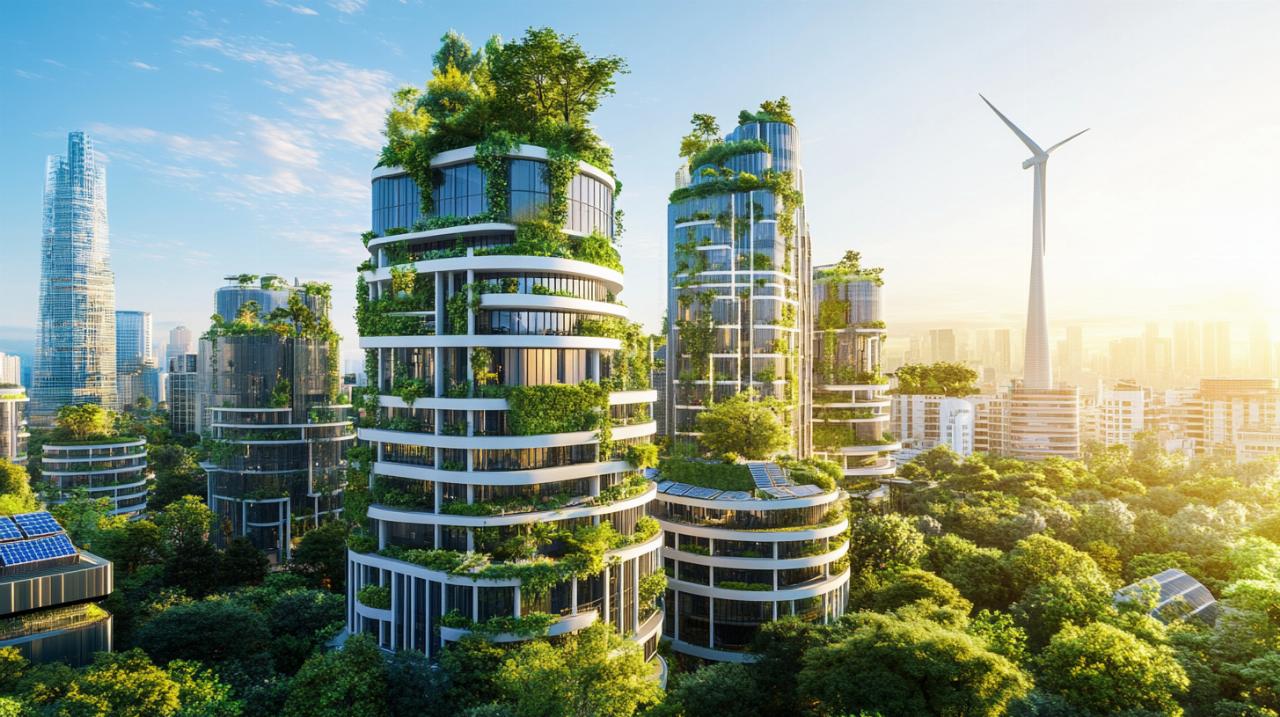
Green roofs and vertical gardens transform building surfaces into living ecosystems that provide natural insulation, manage stormwater, and promote urban biodiversity. These vegetated installations create habitats for pollinators and birds whilst filtering air pollutants and mitigating the urban heat island effect. Beyond their environmental contributions, green roofs offer psychological benefits to building occupants, connecting them to nature even within dense urban environments.
Efficient material management platforms such as SmartWaste demonstrate how digital tools can support sustainability objectives throughout the construction process. By tracking material usage, identifying opportunities for waste reduction, and providing real-time reporting on environmental performance, these systems empower construction teams to make informed decisions that align with sustainability commitments. The transparency afforded by such platforms also helps organisations demonstrate their environmental credentials to clients and regulators.
Water efficiency measures, including rainwater harvesting and greywater recycling systems, address the growing pressure on freshwater resources. These technologies capture precipitation and repurpose water from sinks and showers for irrigation and toilet flushing, substantially reducing municipal water demand. When integrated with low-flow fixtures and water-efficient landscaping, buildings can achieve dramatic reductions in water consumption whilst maintaining functionality and comfort.
The selection of low-VOC materials addresses indoor environmental quality, ensuring that building occupants are not exposed to harmful volatile organic compounds. Paints, adhesives, and finishes formulated without toxic chemicals improve air quality and create healthier living and working environments. This attention to material toxicity reflects a holistic understanding of sustainability that extends beyond energy metrics to encompass human wellbeing.
Building certification systems such as BREEAM and LEED provide frameworks for assessing and validating sustainable construction practices. These internationally recognised standards offer benchmarks for energy efficiency, material selection, water conservation, and indoor environmental quality, guiding project teams towards best practices whilst providing third-party verification of environmental performance. Achieving certification not only demonstrates commitment to sustainability but can also enhance property values and marketability.
Whilst challenges such as higher upfront costs, regulatory hurdles, and insufficient awareness persist, the long-term economic and environmental benefits of sustainable construction increasingly outweigh these obstacles. As building codes evolve to support greener practices and public understanding deepens, the industry continues its transformation towards a future where environmental responsibility and construction excellence are inseparable.