
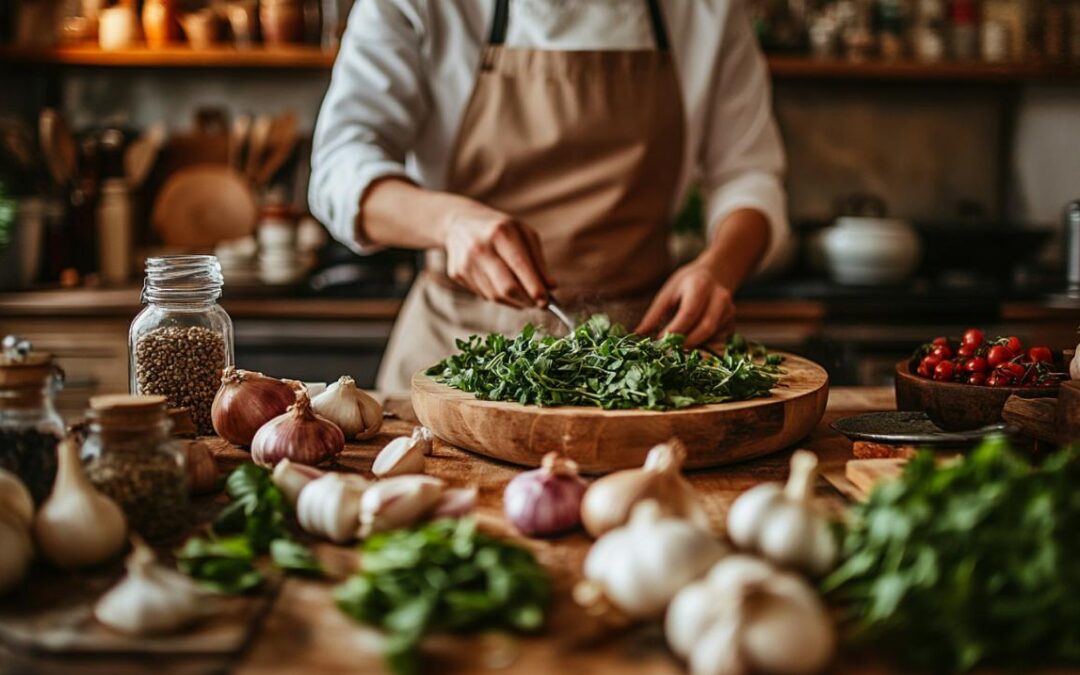
French cuisine has long captivated food enthusiasts around the world with its rich history, refined techniques, and exquisite flavours. For home cooks eager to elevate their culinary repertoire, understanding the fundamentals of this celebrated gastronomic tradition opens the door to creating restaurant-quality dishes in the comfort of one’s own kitchen. Whether you are preparing an elegant dinner party or simply seeking to expand your cooking horizons, mastering the core principles of French cookery transforms everyday meals into memorable experiences.
Fundamental french cooking techniques every home cook should know
At the heart of French gastronomy lies a collection of time-honoured techniques that have been refined over centuries. These methods form the foundation upon which countless dishes are built, and grasping them is essential for anyone serious about French cooking. One of the most important concepts is mise en place, which refers to the practice of organising and preparing all ingredients and equipment before commencing the actual cooking process. This approach not only streamlines workflow but also ensures that every element is ready at precisely the right moment, a discipline that professional chefs regard as indispensable. By adopting this practice, home cooks can replicate the efficiency and precision seen in the finest French kitchens.
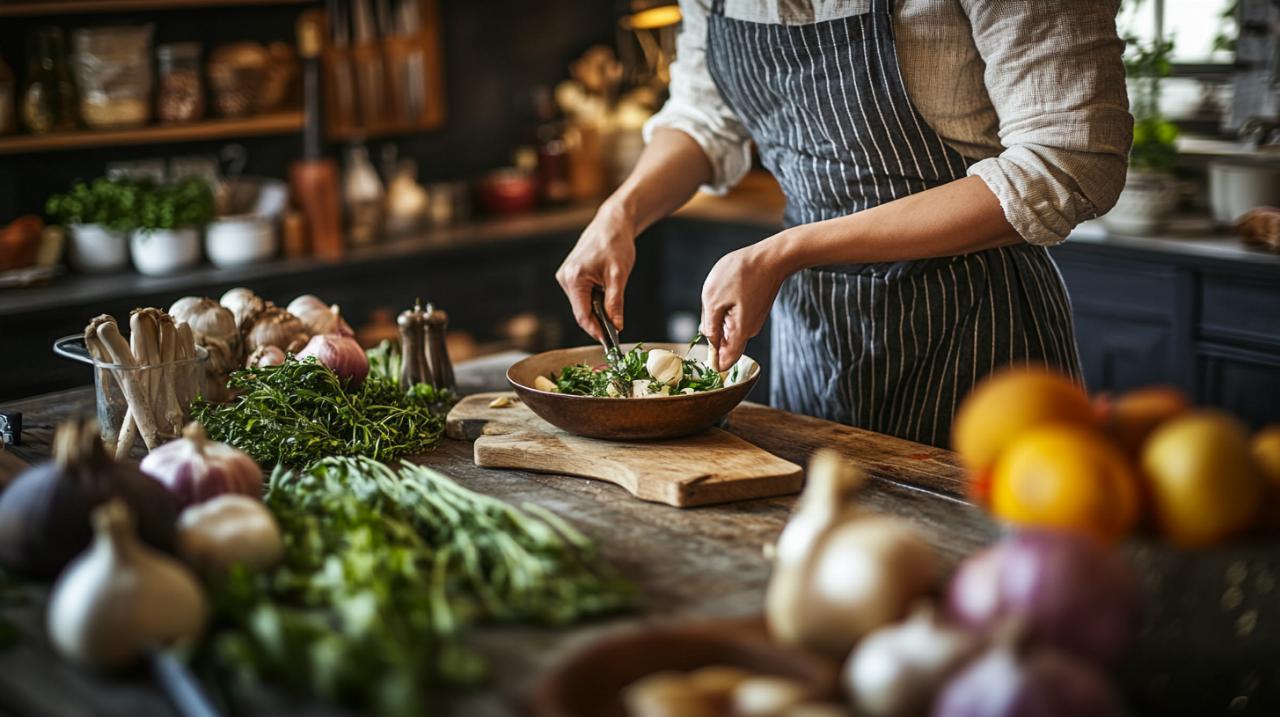
Equally vital are knife skills, which involve a variety of cuts such as julienne, brunoise, chiffonade, and concassé. These techniques are not merely about presentation; they influence cooking times and the overall texture of dishes. french cuisine tips emphasise that developing proficiency with a sharp, well-balanced knife allows for greater control and consistency, whether you are preparing vegetables for a delicate consommé or finely chopping herbs to garnish a classic coq au vin. Mastering these cuts takes practice, yet the results are transformative, enabling you to achieve the finesse that defines authentic French cookery.
The Art of Sautéing and Pan-Frying in French Cookery
Sautéing is one of the most frequently employed methods in French cooking, celebrated for its ability to cook food quickly over high heat whilst preserving natural flavours and textures. This technique requires constant attention and a deft hand, as ingredients must be tossed or stirred continuously to ensure even cooking. The key is to use a pan that can withstand high temperatures and to add just enough fat, typically butter or oil, to prevent sticking without overwhelming the dish. When executed properly, sautéing produces beautifully caramelised exteriors and tender interiors, making it ideal for preparing everything from delicate fish fillets to robust cuts of meat.
Another dramatic and visually striking technique is flambéing, which involves igniting alcohol added to a hot pan to create a burst of flames. This method not only adds a theatrical element to cooking but also imparts a subtle, complex flavour to the dish. Although it may appear intimidating, flambéing is quite manageable with proper safety precautions and practice. Poaching, by contrast, is a gentler approach that involves simmering food in liquid at a low temperature. This method is particularly suited to delicate items such as eggs, fish, and certain fruits, allowing them to cook evenly without losing moisture or structure. Broiling and grilling, meanwhile, utilise direct heat to achieve smoky, charred flavours that enhance the natural taste of ingredients. Braising, a slow-cooking technique that combines both moist and dry heat, is perfect for tougher cuts of meat, transforming them into tender, flavourful dishes through patience and careful temperature control.
Mastering mother sauces and classical reductions
No exploration of French cooking techniques would be complete without delving into the famed mother sauces, which serve as the cornerstone of classical French cuisine. These five fundamental sauces are béchamel, velouté, espagnole, hollandaise, and tomato, each offering a distinct base from which countless derivative sauces can be crafted. Understanding how to prepare these sauces is essential for any home cook aspiring to master French cuisine, as they underpin many of the most beloved dishes in the repertoire. Béchamel, a simple yet versatile sauce made from milk and roux, forms the foundation for gratins and creamy pasta dishes. Velouté, which uses a light stock instead of milk, provides a delicate backdrop for poultry and seafood. Espagnole, a rich brown sauce, is the building block for robust gravies and reductions that accompany red meats.
Hollandaise, an emulsion of egg yolks and butter, is perhaps the most challenging of the mother sauces due to its sensitivity to temperature, yet it rewards the diligent cook with a velvety texture and luxurious flavour that elevates dishes such as eggs Benedict. The tomato sauce, though seemingly straightforward, requires careful attention to balance acidity and sweetness. Beyond the mother sauces, classical reductions involve simmering liquids such as wine, stock, or cream until they thicken and concentrate in flavour. This technique is integral to many French recipes, adding depth and complexity to everything from braised meats to pan sauces. Learning to control heat and timing when reducing liquids is a skill that distinguishes accomplished home cooks from novices.
Essential ingredients that define authentic french cuisine
The ingredients used in French cooking are as important as the techniques themselves, with an emphasis on quality, freshness, and provenance. French cuisine celebrates the natural flavours of ingredients, and as such, selecting the finest produce, meats, and dairy is paramount. This commitment to excellence is evident in every aspect of French gastronomy, from the butter that enriches sauces to the herbs that perfume a simple omelette. Understanding which ingredients are essential and how to use them correctly is fundamental to achieving authentic results in your own kitchen.
The Role of Fresh Herbs and Quality Butter in French Recipes
Fresh herbs are indispensable in French cooking, lending brightness, aroma, and complexity to a wide range of dishes. Classic herb combinations such as fines herbes, which typically include parsley, chervil, tarragon, and chives, are used to finish sauces, garnish soups, and flavour omelettes. Tarragon, with its distinctive anise-like flavour, is particularly prized in French cuisine and features prominently in dishes such as chicken with tarragon and béarnaise sauce. Thyme, rosemary, and bay leaves form the basis of a traditional bouquet garni, a bundle of herbs tied together and added to stocks, stews, and braises to infuse them with subtle, aromatic depth. The French approach to herbs is one of restraint and balance, ensuring that no single flavour dominates but rather that each ingredient contributes to a harmonious whole.
Butter is another cornerstone of French cuisine, prized for its rich, creamy texture and its ability to enhance both savoury and sweet preparations. French cooks favour unsalted butter for its pure flavour and versatility, using it in everything from delicate pastries to silky sauces. The practice of finishing a sauce with a knob of cold butter, known as monter au beurre, is a classic technique that adds gloss and richness without the need for cream. Quality matters immensely when it comes to butter; French butter, often made from cultured cream, has a higher fat content and a more pronounced flavour than many of its counterparts. Investing in good butter is one of the simplest yet most effective ways to elevate your cooking and bring a touch of authenticity to French recipes.
Understanding French Wines and Stocks for Cooking
Wine is not merely an accompaniment to French meals but an integral ingredient in many recipes, contributing acidity, complexity, and depth of flavour. Red wines such as Burgundy and Bordeaux are commonly used in braising and deglazing, lending richness to dishes like boeuf bourguignon and coq au vin. White wines, particularly those from regions such as Chablis and the Loire Valley, are favoured for lighter dishes and seafood preparations. When selecting wine for cooking, it is advisable to choose something you would enjoy drinking, as the quality of the wine directly impacts the final dish. The alcohol evaporates during cooking, leaving behind concentrated flavours that meld beautifully with other ingredients.
Stocks, too, are fundamental to French cooking, serving as the base for soups, sauces, and braises. A well-made stock, whether it be chicken, beef, fish, or vegetable, provides a foundation of flavour that cannot be replicated by commercial substitutes. French culinary training places great emphasis on the preparation of stocks, which involves simmering bones, vegetables, and aromatics for several hours to extract maximum flavour and gelatin. Homemade stock may require time and effort, yet the rewards are evident in the depth and richness it brings to your cooking. Keeping a supply of stock in the freezer ensures that you are always ready to create classic French dishes with authenticity and finesse.
Classic French Dishes Perfect for the Home Kitchen
For home cooks eager to test their skills, there is a wealth of classic French dishes that are both accessible and impressive. These recipes showcase the techniques and ingredients discussed earlier, offering an opportunity to bring the flavours of France into your own dining room. Many of these dishes have become synonymous with French cuisine and are beloved around the world for their comforting, robust flavours and elegant presentation.
Recreating Traditional Coq au Vin and Boeuf Bourguignon
Coq au vin is a quintessential French dish that exemplifies the art of braising. Traditionally made with rooster, though chicken is more commonly used today, this dish involves slowly cooking the meat in red wine along with mushrooms, onions, bacon, and aromatic herbs. The result is a deeply flavoured, tender dish that is perfect for a cosy dinner. The key to success lies in browning the chicken properly before braising and allowing sufficient time for the flavours to meld together. This dish is often accompanied by crusty bread or buttery mashed potatoes, which are ideal for soaking up the rich sauce.
Boeuf bourguignon, another iconic dish, shares many similarities with coq au vin but uses beef instead of poultry. This hearty stew, which hails from the Burgundy region, features chunks of beef braised in red wine with carrots, onions, and mushrooms. The slow cooking process transforms tough cuts of meat into succulent, melt-in-your-mouth morsels, whilst the wine-based sauce becomes velvety and intensely flavourful. Both coq au vin and boeuf bourguignon are excellent examples of how simple ingredients, when treated with care and patience, can yield extraordinary results. These dishes also benefit from being made a day in advance, as the flavours continue to develop and deepen overnight.
Mastering french bistro favourites: croque monsieur and ratatouille
Not all French dishes require hours of preparation; some of the most beloved bistro favourites are surprisingly straightforward to make. The croque monsieur, a glorified ham and cheese sandwich, is a case in point. This indulgent creation features layers of ham and Gruyère cheese between slices of buttered bread, all topped with a creamy béchamel sauce and more cheese before being grilled until golden and bubbling. The result is a rich, satisfying dish that is perfect for lunch or a light supper. A croque madame, which includes a fried egg on top, takes this classic to the next level.
Ratatouille, a vibrant vegetable stew from Provence, showcases the French ability to transform humble ingredients into something truly special. This dish typically includes courgettes, aubergines, peppers, tomatoes, onions, and garlic, all cooked slowly until they meld into a fragrant, colourful medley. Ratatouille can be served hot or cold, making it a versatile addition to any meal. It pairs beautifully with grilled meats or fish and can also be enjoyed on its own with a slice of crusty bread. The key to a successful ratatouille is to cook each vegetable separately to preserve its individual character before combining them, a technique that requires patience but yields superior results.
Professional Plating and Presentation Techniques for French Meals
In French cuisine, presentation is as important as taste, reflecting the belief that we eat first with our eyes. The way a dish is plated can elevate it from merely delicious to truly memorable, and mastering the art of presentation is an essential skill for any home cook aiming to replicate the elegance of French dining. This involves not only arranging food attractively on the plate but also considering colour, texture, and balance to create a visually appealing composition.
The French Approach to Mise en Place and Meal Planning
As previously mentioned, mise en place is a fundamental principle in French cooking, and it extends beyond the preparation of ingredients to encompass the entire process of meal planning and execution. By organising your workspace, preparing ingredients in advance, and having all necessary tools at hand, you create an environment conducive to precision and creativity. This methodical approach reduces stress and allows you to focus on the finer details of cooking and presentation. French chefs often spend hours perfecting their mise en place, ensuring that every element of the dish is prepared to the highest standard before service begins.
Meal planning in the French tradition also involves considering the flow of the meal, from appetisers through to dessert. Each course should complement the others, with flavours and textures that progress in a logical and satisfying manner. This holistic approach to dining is a hallmark of French cuisine and is something that home cooks can emulate to create a more refined and cohesive dining experience. Whether you are hosting a formal dinner party or simply preparing a weeknight meal, taking the time to plan and organise will significantly enhance the outcome.
Creating restaurant-quality visual appeal at home
Achieving restaurant-quality presentation at home does not require elaborate garnishes or expensive equipment; rather, it is about attention to detail and a thoughtful approach to plating. Start by selecting plates that provide a clean, uncluttered canvas for your food. White or neutral-coloured plates are often preferred, as they allow the colours of the dish to stand out. When arranging food, aim for balance and symmetry, placing the main component of the dish slightly off-centre and surrounding it with complementary elements such as vegetables or sauces. Use height to create visual interest, stacking or layering ingredients rather than spreading them flat across the plate.
Sauces should be applied with care, either pooled beneath the main ingredient or drizzled artfully around the plate. A small squeeze bottle or spoon can help you achieve precise, elegant lines. Fresh herbs, edible flowers, or a sprinkle of sea salt can serve as the finishing touch, adding a pop of colour and texture without overwhelming the dish. Remember that less is often more; a few well-placed elements are far more effective than a cluttered plate. By adopting these professional plating techniques, you can transform your home-cooked French meals into works of art that delight both the palate and the eye.
Must-have kitchen equipment for preparing french cuisine
Equipping your kitchen with the right tools is essential for mastering French cuisine, as certain techniques and recipes demand specific equipment. Whilst it is not necessary to invest in every gadget on the market, there are several key items that will significantly enhance your ability to prepare French dishes with authenticity and ease. Quality cookware, knives, and specialist tools are the backbone of a well-functioning kitchen and are well worth the investment for any serious home cook.
Investing in Proper French Cookware and Knives
French cookware is renowned for its durability and performance, with cast iron, copper, and stainless steel being the materials of choice. A heavy-bottomed sauté pan or skillet is indispensable for techniques such as sautéing and searing, as it distributes heat evenly and can withstand high temperatures. Similarly, a large Dutch oven or cocotte is perfect for braising and slow-cooking dishes like boeuf bourguignon. Cast iron retains heat exceptionally well, making it ideal for dishes that require long, slow cooking. Copper pots, whilst more expensive, offer unparalleled heat conductivity and are favoured by professional chefs for their precision.
When it comes to knives, investing in a few high-quality pieces is far more beneficial than purchasing a large set of mediocre blades. A chef’s knife, a paring knife, and a serrated bread knife form the essential trio that will cover the majority of your cutting needs. French knives are typically designed with a slight curve to facilitate a rocking motion, which is ideal for chopping and slicing. Keeping your knives sharp is crucial, as a dull blade is not only inefficient but also dangerous. Regular honing and occasional professional sharpening will ensure that your knives remain in optimal condition, allowing you to execute the precise cuts required for French cuisine.
Specialist tools that elevate your french cooking experience
Beyond the basics, there are several specialist tools that can elevate your French cooking experience and make certain tasks more manageable. A mandoline, for instance, is invaluable for achieving uniform, paper-thin slices of vegetables, which are essential for dishes like gratins and certain salads. A chinois, or fine-mesh conical strainer, is used to strain sauces and stocks, ensuring a silky, lump-free consistency. Whisks of various sizes are indispensable for emulsifying sauces such as hollandaise and for incorporating air into batters and creams. A kitchen thermometer is another useful tool, particularly for techniques like poaching and tempering chocolate, where precise temperature control is critical.
For those interested in pastry, French rolling pins, which are typically longer and thinner than their counterparts, allow for greater control and precision when rolling out dough. Silicone baking mats and parchment paper are also essential for achieving evenly baked, golden pastries. A set of ramekins is useful for preparing individual portions of dishes such as crème brûlée or soufflés, adding an element of elegance to your presentation. Whilst these specialist tools are not strictly necessary, they do streamline many tasks and allow you to replicate the techniques and results seen in professional French kitchens. By gradually building your collection of equipment, you will find that preparing French cuisine becomes not only more efficient but also more enjoyable, enabling you to explore the full range of this magnificent culinary tradition.