
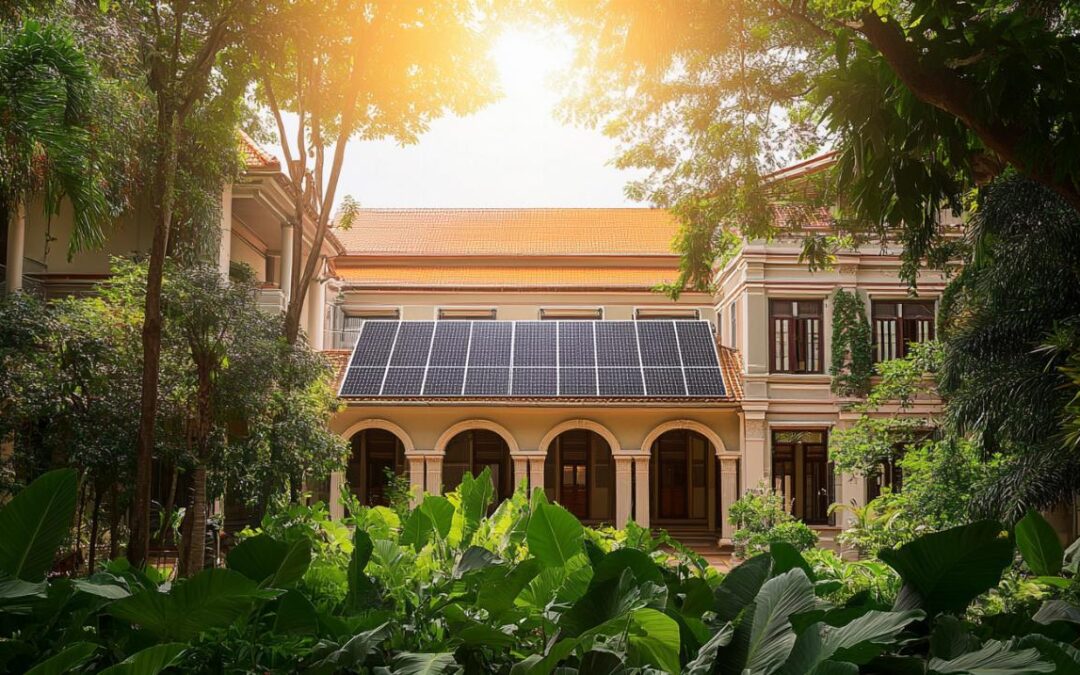
Across the United Kingdom, the challenge of reducing carbon emissions has turned attention towards an often-overlooked resource: our historic buildings. These structures, many of which have stood for centuries, now sit at the intersection of heritage preservation and climate action. The question is no longer whether old buildings can adapt to modern environmental standards, but how best to implement sustainable energy solutions that respect their architectural integrity whilst meeting ambitious carbon reduction targets. This emerging field combines technical innovation with cultural sensitivity, requiring collaboration between conservationists, engineers, and local authorities to achieve outcomes that benefit both the planet and our shared heritage.
Integrating renewable energy systems into historic building restoration
The process of integrating renewable energy sources into heritage recovery projects demands careful planning and a nuanced understanding of both the building’s historical significance and its physical characteristics. When restoring period properties, architects and conservation officers must work together to identify opportunities for renewable installations that do not compromise the aesthetic or structural integrity of the site. Historic England has provided guidance emphasising that carbon reduction should be recognised as a public benefit, a stance that has opened new pathways for sensitive interventions in listed buildings and conservation areas.
Solar panel installation techniques for period properties
Installing solar photovoltaic arrays on historic buildings presents unique challenges that require bespoke solutions. The visual impact of modern solar panels on traditional rooflines can be contentious, yet innovative approaches are proving that renewable energy generation need not clash with heritage preservation. Norwich Cathedral, a structure dating from 1096, offers a striking example of this balance. The cathedral has already reduced its carbon footprint by forty percent and is now planning a substantial solar PV installation. This ambitious project forms part of the Church of England’s broader commitment to achieve net zero emissions by 2030, demonstrating that even our most venerable buildings can embrace climate action. The key lies in positioning panels where they are least visible from public vantage points, utilising roof planes that face away from primary elevations, or selecting low-profile systems that blend more harmoniously with traditional materials. Such installations must be carefully reviewed by conservation officers who ensure that the heritage value of the building remains intact whilst supporting the transition to renewable energy sources.
Ground source heat pumps in listed building conversions
Ground source heat pumps represent another viable option for reducing the carbon footprint of historic buildings, particularly during comprehensive restoration projects. These systems harness the stable temperature of the earth to provide efficient heating and cooling, offering a low-carbon alternative to traditional fossil fuel boilers. The installation process requires substantial groundworks, which can be accommodated during major refurbishment schemes when excavation is already planned. Listed building conversions benefit from this technology because it operates quietly and discreetly, with minimal visual impact once installed. The primary consideration for heritage sites is ensuring that any ground disturbance respects archaeological sensitivities and does not compromise the setting of the structure. When these factors are properly managed, ground source heat pumps can deliver significant energy efficiency improvements whilst maintaining the character of the property. They form part of a broader whole building approach that considers heating, ventilation, and insulation in concert, rather than as isolated interventions.
Balancing conservation requirements with modern energy efficiency
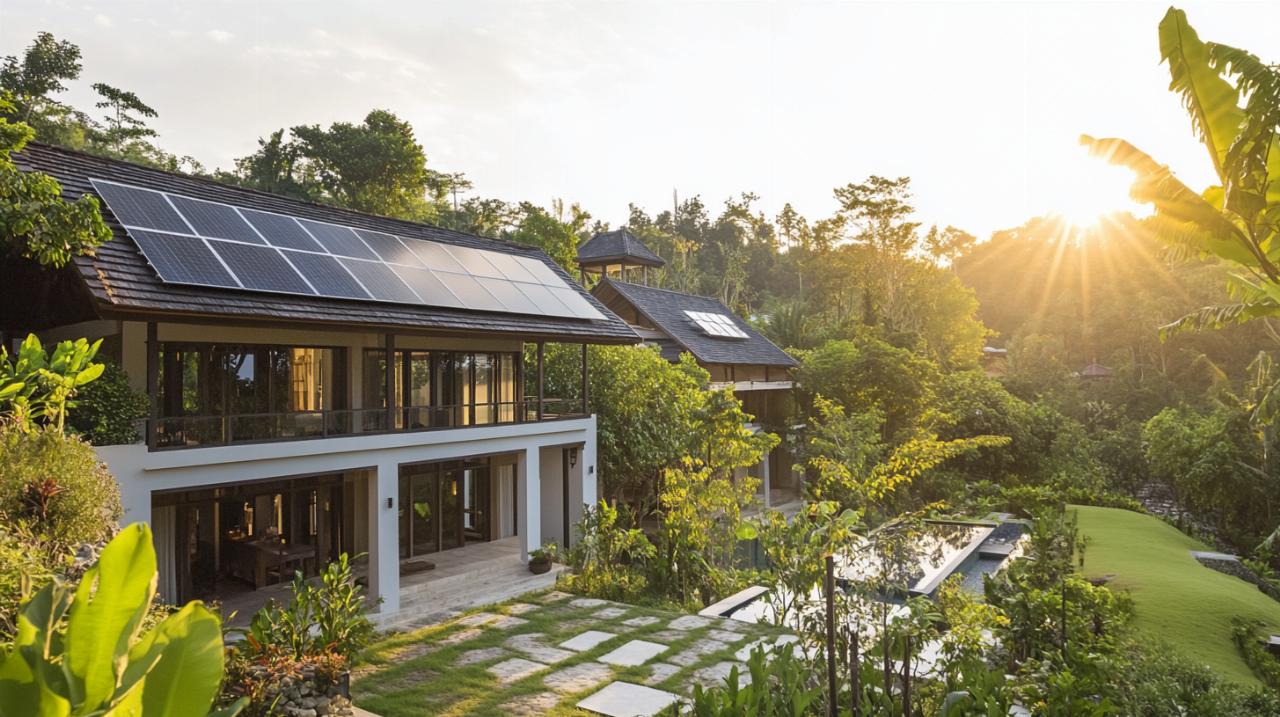
Achieving energy efficiency in historic buildings UK requires a delicate balancing act. The embodied carbon already invested in these structures means that demolition and replacement is rarely the most sustainable option. Indeed, the most sustainable building is often the one that already exists, provided it can be adapted to meet contemporary environmental standards. This principle underpins the work of retrofit coordinators, who collaborate with conservation officers to develop strategies that honour the past whilst addressing the urgent need for climate change adaptation. The challenge is to introduce modern technologies in ways that are reversible, respectful, and effective, ensuring that heritage preservation and carbon reduction are seen as complementary rather than competing goals.
Navigating Planning Permissions for Sustainable Upgrades in Conservation Areas
Securing planning permissions for sustainable upgrades in conservation areas demands a thorough understanding of local policies and national guidance. Conservation officers are tasked with protecting the architectural and historical significance of these areas, which means that any proposed changes must be justified on heritage grounds as well as environmental ones. Historic England’s advice note provides a framework for consistent decision-making, recognising that carbon reduction delivers a public benefit that can outweigh some visual or material impacts. Applicants must present clear evidence of how proposed interventions will reduce emissions without causing unacceptable harm to the character of the building or its surroundings. This might involve detailed energy assessments, heritage impact statements, and visualisations that demonstrate how new installations will appear in situ. The process can be time-consuming, but it ensures that sustainable energy solutions are implemented thoughtfully. Camden Town Hall exemplifies this approach, having transitioned to being powered entirely by renewable sources through a series of carefully planned upgrades that respected the building’s Grade II listed status.
Heritage-sensitive insulation methods and low-carbon technologies
Improving the thermal performance of historic buildings requires insulation methods that do not trap moisture or alter the breathability of traditional construction. Many period properties were built using lime mortar and porous materials that allow water vapour to move through walls, preventing damp and decay. Modern insulation techniques must work with these characteristics rather than against them. Heritage-sensitive approaches include the use of natural materials such as sheep’s wool or wood fibre, which offer good thermal performance whilst remaining vapour-permeable. Internal wall insulation can be applied in layers that respect the original fabric, and secondary glazing offers an alternative to replacing historic windows with double-glazed units. The Farrell Centre in Newcastle showcases several of these technologies, including secondary glazing, mechanical ventilation heat recovery systems, and air source heat pumps. These interventions demonstrate that it is possible to achieve substantial improvements in energy efficiency without compromising the integrity of the building. Mechanical ventilation heat recovery in particular offers a way to improve indoor air quality and reduce heat loss whilst maintaining the external appearance of the structure. Air source heat pumps provide a practical alternative to ground source systems where excavation is not feasible, drawing heat from the ambient air and delivering it efficiently to interior spaces. Together, these technologies form part of a whole building, whole year approach that considers seasonal variations and the changing climate, moving beyond the traditional focus on winter energy efficiency alone.
The integration of sustainable buildings principles into heritage recovery schemes is not without its complexities, yet the examples of Cromford Mill, which generates hydroelectric power at the world’s first water-powered cotton spinning mill, and Norwich Cathedral’s solar ambitions, show that historic sites can lead the way in climate action. As the conversation around net-zero carbon emissions intensifies, the role of conservation officers and retrofit coordinators becomes ever more critical. They are the custodians of a delicate balance, ensuring that our architectural legacy is preserved even as it is adapted to meet the demands of a low-carbon future. The path forward requires innovation, collaboration, and a commitment to viewing heritage retrofitting not as a constraint, but as an opportunity to demonstrate that sustainability and history can coexist harmoniously.